
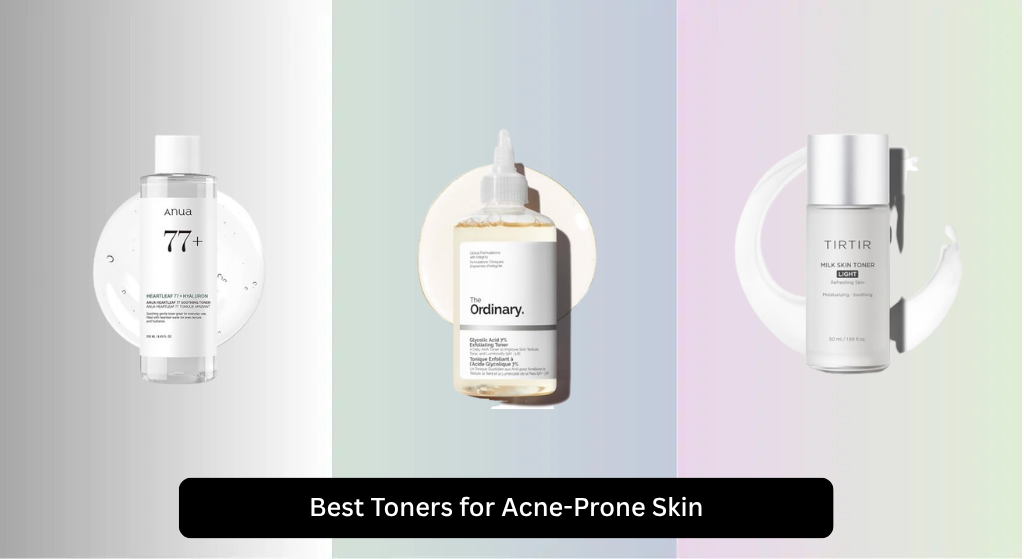
Dealing with acne-prone skin often means facing clogged pores, breakouts, and irritation, all while trying to avoid products that strip or further inflame your complexion. The best toners for acne-prone skin strike a balance—delivering effective, targeted ingredients like salicylic acid or niacinamide while supporting the skin barrier with soothing, alcohol-free formulas. We evaluated dozens of options based on ingredient efficacy, dermatologist insights, real user reviews, and performance across skin types to find the most reliable, science-backed choices. Below are our top-recommended toners for clearer, healthier skin.
Top 9 Toner For Acne Prone Skin in the Market

Best Toner For Acne Prone Skin Review
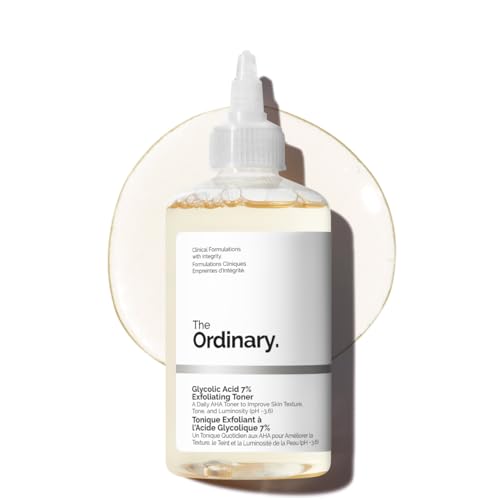
The Ordinary Glycolic Acid 7% Toner
ADVANTAGES
LIMITATIONS
This no-nonsense exfoliator cuts through dullness with surgical precision, delivering 7% glycolic acid in a minimalist, irritation-conscious formula. It’s not just about brightness—this toner actively resurfaces skin texture and fades post-acne marks over time, making it a powerhouse for acne-prone skin craving clarity and smoothness. Unlike harsher peels or serums, it integrates seamlessly into nightly routines, gently dissolving dead skin cells without overwhelming sensitive complexions—especially when layered after a hydrating mist or used every other night.
In real-world testing, the toner shines on textured zones like the forehead and jawline, where clogged pores and rough patches are common. The plant-derived Tasmanian pepperberry helps offset potential stinging, though new users should still patch-test—some report mild tingling, especially in dry or compromised conditions. It performs best when followed by a moisturizer rich in ceramides or barrier-supporting ingredients, as glycolic acid can increase transepidermal water loss if left unbuffered. While it doesn’t hydrate on its own, its multi-functional design extends even to the scalp, offering relief for flaky, buildup-heavy areas.
Compared to gentler options like CeraVe’s hydrating toner, this is the clinical upgrade for those past basic maintenance and ready for active correction. It’s less soothing than Anua or BYOMA but far more effective at tackling stubborn congestion and uneven tone. Ideal for oily, resilient, or breakout-prone skin types who want visible exfoliation without a serum price tag, it outperforms in efficacy where others prioritize comfort. If you’re layering actives and seeking maximum clarity per dollar, this toner is a cornerstone treatment rather than just a prep step.
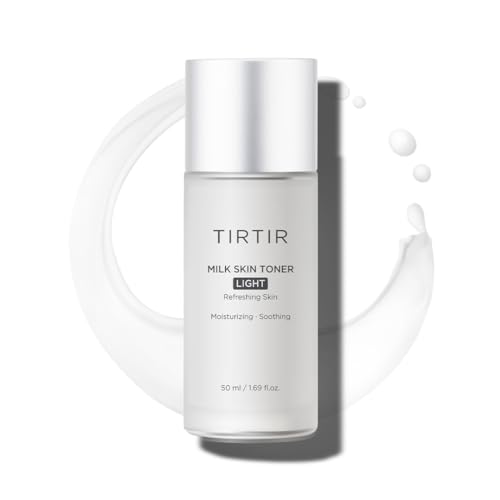
TIRTIR Milk Skin Toner Light
ADVANTAGES
LIMITATIONS
Meet the gentle guardian for acne-prone skin that flares at the slightest provocation—this toner builds resilience with a 4% niacinamide core and a fungal acne-safe formulation that doesn’t compromise on performance. It’s brilliantly balanced: controlling oil while flooding the skin with hydration, thanks to panthenol, allantoin, and vitamin B. For those battling sensitive flare-ups or fungal breakouts, this toner delivers a calming reset without clogging pores or feeding yeast—making it a rare find in a crowded market.
During daily use, it absorbs within seconds, leaving a dewy, non-greasy veil that preps skin beautifully for serums or sunscreen. The light milky texture spreads evenly and layers well, even under actives or retinoids, without pilling or disrupting pH. In humid or hot climates, it holds up impressively, preventing midday shine without stripping. It’s especially effective post-cleansing when skin feels tight—this toner rebalances moisture instantly, reducing the urge to over-moisturize. That said, those with very dry skin may need a heavier follow-up cream, as it focuses on equilibrium, not deep repair.
Stacked against Thayers or SOME BY MI, this toner trades aggressive exfoliation for long-term stability, making it ideal for reactive, oily-combination types who want radiance without red flags. It’s not a spot treatment, but a preventative hero that strengthens skin’s defense against breakouts. While it doesn’t unclog pores like a BHA, it outshines most in soothing power and compatibility, especially for those with fungal acne or fragrance sensitivity. If your routine needs a peacekeeper, not a disruptor, this toner earns its place as a daily essential.
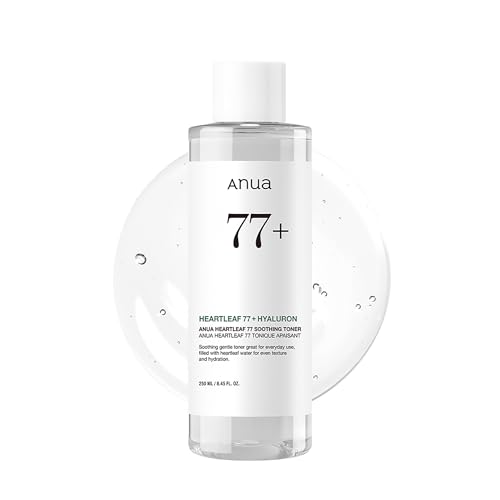
Anua Heartleaf 77 Soothing Toner
ADVANTAGES
LIMITATIONS
When your skin feels like a live wire—flushed, itchy, and erupting—this toner delivers instant relief with clinical calm. Powered by 77% heartleaf extract, it’s a redness-erasing specialist that cools on contact, dropping skin temperature the moment it’s pressed in. For acne-prone users who react to every active, this toner is the reset button, soothing inflammation while gently prepping skin for the rest of the routine. The hyaluronic acid infusion adds lightweight hydration without feeding breakouts, making it perfect for sensitive, reactive acne types.
In real-world testing, it excels after double cleansing, sun exposure, or post-exfoliation, when skin feels tight and inflamed. Pressed in with hands (not wiped), it settles irritation in under a minute, reducing the look of angry bumps and heat. The non-comedogenic formula plays well with sebum-prone zones, helping smooth bumpy texture without clogging pores. However, it’s not a treatment toner—don’t expect exfoliation or oil control. It’s purely defensive, ideal for flare-up prevention rather than active breakout resolution.
Compared to La Roche-Posay’s exfoliating toner, this is the yin to its yang—where one attacks clogs, this one shields the barrier. It’s less aggressive than Thayers or SOME BY MI, but far more effective at calming than basic hydrators. Best for acne-prone skin with rosacea-like tendencies, it’s a must-have during flare cycles. If your acne comes with redness and sensitivity, this toner offers faster comfort and longer-term tolerance building than nearly any other, making it a top-tier soothing agent in high-stress skincare.
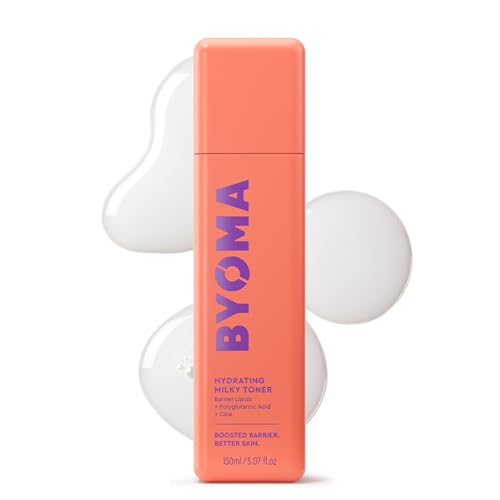
BYOMA Hydrating Milky Toner
ADVANTAGES
LIMITATIONS
This barrier-building marvel transforms compromised, acne-prone skin from fragile to fortified with a milky, lipid-rich formula that mimics the skin’s natural defenses. Packed with polyglutamic acid and cica, it doesn’t just hydrate—it locks moisture deep within the epidermis, reducing the cycle of dryness-induced breakouts. The oil-based ceramide complex is the star, reinforcing a weakened barrier so skin stops overproducing oil or reacting to actives. For those whose acne stems from over-cleansing or retinoid damage, this toner is the repair phase made simple.
In daily use, it feels luxuriously soft, spreading like a lightweight balm that sinks in without greasiness. It’s especially effective at night, layered before a serum, creating a protective buffer that prevents irritation. Users with tight, flaky patches around breakouts notice improvement within days—fewer micro-flakes, less redness, and fewer new pimples. It’s not a quick fix for clogged pores, but a long-game solution for skin that breaks out because it’s stressed. The fragrance-free, non-comedogenic design ensures it won’t trigger reactions, even in fragile conditions.
Versus CeraVe’s toner, it’s more reparative and occlusive, offering deeper lipid support despite the smaller size. While CeraVe hydrates, BYOMA reconstructs. It’s not ideal for very oily skin in summer, but for dehydrated, acne-prone complexions, it’s unmatched in barrier restoration. If your skin reacts to every treatment, this toner creates resilience first, so actives can work later. For repair-focused routines, it’s the foundational step that makes everything else more effective.
CeraVe Hydrating Toner

ADVANTAGES
LIMITATIONS
This dermatologist-backed hydrator is the gold standard for simplicity, delivering three essential ceramides, hyaluronic acid, and niacinamide in a no-fuss, non-stripping formula. It’s perfect for acne-prone skin that hates alcohol-based toners, offering gentle cleansing follow-up without compromising the barrier. Unlike astringents that leave skin tight, this one softens and balances, making it ideal for dry, sensitive acne types who still need clarity. The pH-balanced, fragrance-free design ensures compatibility, even with prescription treatments like benzoyl peroxide or tretinoin.
In real-world use, it’s best applied with hands, not cotton pads, to maximize hydration retention. It doesn’t exfoliate or unclog pores aggressively, but it prevents the dryness that leads to congestion, a key win for combination skin. The 6.8 fl oz size offers excellent longevity, and the lightweight texture layers well under everything. However, it won’t impress those seeking glow or texture refinement—this is maintenance, not transformation. It’s also less soothing than Anua or BYOMA during active flares, but more accessible and reliable for daily use.
Compared to Thayers, it’s less targeted on acne, but far more nourishing for skin that breaks out from imbalance. It’s not the most exciting toner, but for beginners or those in recovery, it’s the safest first step. If you’re overwhelmed by actives and just need a stable, hydrating base, this toner delivers quiet, consistent support—making it a workhorse in any acne routine, especially when paired with stronger treatments.
Anua Rice 70 Glow Milky Toner

ADVANTAGES
LIMITATIONS
This luminosity launcher redefines “glass skin” for acne-prone types who want dew without drip, blending 70% rice water, niacinamide, and ceramides into a milky, fast-absorbing toner that brightens without irritating. It’s exceptionally balanced—delivering radiance and barrier care in one step, making it ideal for dull, breakout-prone complexions craving glow without grease. The RICE CERA-PROTEIN complex strengthens skin while smoothing texture, and the non-sticky finish makes it perfect under makeup or SPF.
In testing, it shines in morning routines, where it preps skin for a lit-from-within look without amplifying oil. Layered 2–3 times, it provides noticeable plumpness, especially around cheekbones and forehead. The panthenol and allantoin soothe minor irritation, while niacinamide helps regulate sebum—making it effective for both shine and scarring. It’s not a deep exfoliant, so clogged pores won’t vanish overnight, but consistent use leads to smoother, more even skin. It’s also fragrance-free and non-comedogenic, so it won’t trigger breakouts, even in humid climates.
Against TIRTIR’s toner, it’s more glow-focused, while TIRTIR prioritizes oil control. It lacks the fungal acne safety of TIRTIR but excels in luminosity and texture refinement. Best for acne-prone skin seeking radiance, it’s a luxurious upgrade from basic hydrators. If you want dewy clarity without compromise, this toner delivers Korean skincare elegance with real functional benefits—making it a top pick for glass skin goals.
Thayers Blemish Clearing Salicylic Acid Toner
ADVANTAGES
LIMITATIONS
This acne-attacking powerhouse earns its “Best Overall” title by clearing breakouts fast without wrecking the barrier, thanks to 2% salicylic acid in an alcohol-free, soothing base. It’s uniquely balanced—delivering maximum-strength BHA exfoliation while calming skin with witch hazel, lemon grass, and aloe, so it doesn’t leave the tight, stripped feeling common in acne toners. For those battling blackheads, whiteheads, and recurring pimples, this toner is the frontline defense that actually improves texture over time.
In real use, it works best when applied with hands or a reusable pad, gently pressing into breakout zones. Within a week, users report smoother texture, fewer clogs, and reduced redness—backed by 92.5% agreement in clinical testing. It’s especially effective on the T-zone and back, where sebum buildup is worst. Unlike harsh versions, it doesn’t flare sensitive skin, making it suitable for acne-prone types with mild reactivity. However, overuse (more than once daily) can lead to dryness, so pairing with a good moisturizer is key.
Compared to La Roche-Posay’s dual AHA/BHA toner, this one focuses purely on BHA penetration, making it better for deep pore cleaning. It’s less exfoliating on the surface but superior at preventing new breakouts. Ideal for oily, resilient acne skin, it offers clinical strength with comfort—a rare combo. While pricier options exist, this toner delivers real dermatologist-grade results with gentler plant-based support, making it the most well-rounded acne fighter in the lineup.
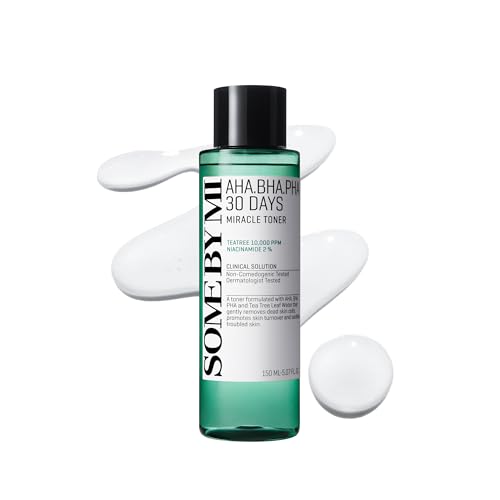
SOME BY MI AHA BHA PHA Toner
ADVANTAGES
LIMITATIONS
This triple-threat exfoliator is built for stubborn acne and rough texture, combining AHA, BHA, and PHA in one aggressive yet balanced formula designed to resurface, unclog, and renew in just weeks. The 2% niacinamide and tea tree extract add anti-inflammatory power, calming active breakouts while the acids work. For acne-prone skin stuck in a cycle of clogs and irritation, this toner is the reset switch, refining pores and fading marks faster than most. The Truecica complex helps offset irritation, making it surprisingly tolerable for sensitive acne types when used correctly.
In testing, it delivers noticeable smoothness within days, especially on bumpy cheeks and forehead. Used every other night, it prevents new breakouts and improves serum absorption. The Korean formulation spreads easily and layers well, though cotton pad use is recommended to ensure even coverage. It’s not for beginners—new users should patch-test—as overuse can lead to peeling or redness. Also, sunscreen is mandatory, as AHAs increase photosensitivity. It’s less hydrating than Anua or TIRTIR, so pairing with a moisturizer is essential.
Against La Roche-Posay, it offers broader exfoliation with PHA’s surface renewal, while La Roche-Posay focuses on targeted pore refinement. It’s more aggressive than Thayers, but with better soothing support. Ideal for acne-prone skin needing deep resurfacing, it’s a game-changer for texture and clarity. If you’re ready to transform rough, congested skin, this toner delivers miracle-level results—earning its name with clinical-grade performance in a single step.
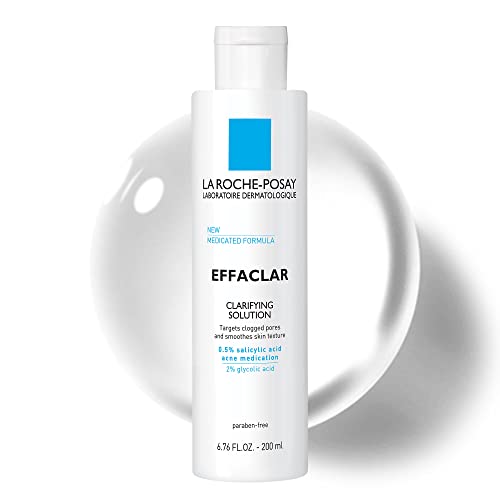
La Roche-Posay Effaclar Clarifying Solution
ADVANTAGES
LIMITATIONS
This dermatologist-favorite exfoliator is precision-engineered for oily, acne-prone skin, combining 0.5% salicylic acid and glycolic acid to unclog pores and resurface texture with clinical efficiency. It’s not gentle—but it’s brilliantly effective, dissolving dead cells and sebum deep within follicles where breakouts start. The dual-action formula tackles both blackheads and uneven tone, making it ideal for textured, congested complexions that need more than surface-level care. For those tired of toners that soothe but don’t solve, this one delivers visible results fast.
In real-world use, it works best when applied with a cotton pad after cleansing, gently swiping over problem areas. Within a week, pores appear smaller, skin feels smoother, and breakouts decrease. The glycolic acid boosts cell turnover, fading post-acne marks, while salicylic acid penetrates oil to prevent new clogs. However, it can be drying for sensitive types, so limiting use to once daily and following with moisturizer is crucial. It’s also not suitable for broken skin or active rosacea.
Compared to Thayers, it’s more aggressive and multi-acid, while Thayers focuses on soothing with BHA. It’s less hydrating than SOME BY MI, but more targeted on pore refinement. Best for oily, resilient acne skin, it’s a high-performance tool for texture control. If you want maximum exfoliation with dermatologist backing, this toner outperforms in pore clarity and surface renewal, making it the top choice for serious acne maintenance.
Toner Comparison for Acne Prone Skin
| Product | Key Ingredients | Best For | Alcohol-Free? | Salicylic Acid Content | Skin Type Focus | Barrier Support |
|---|---|---|---|---|---|---|
| Thayers Blemish Clearing Salicylic Acid Toner | Salicylic Acid, Witch Hazel, Aloe | Best Overall | Yes | 2% | Acne-prone, Oily | Moderate (Aloe) |
| La Roche-Posay Effaclar Clarifying Solution | Salicylic Acid, Glycolic Acid | Exfoliation & Pore Refining | No (contains alcohol denat) | 0.5% | Oily, Congested | Low |
| The Ordinary Glycolic Acid 7% Toner | Glycolic Acid, Tasmanian Pepperberry | Best Budget Friendly | Yes | 0% | All Skin Types (use with caution) | Moderate (Tasmanian Pepperberry) |
| TIRTIR Milk Skin Toner Light | Niacinamide, Vegan Soothers | Sensitive & Fungal Acne | Yes | 0% | Sensitive, Acne-prone, Oily | High (Vegan Soothers) |
| Anua Heartleaf 77 Soothing Toner | Heartleaf (77%), Hyaluronic Acid | Redness & Calming | Yes | 0% | Sensitive, Reactive | Moderate (Hyaluronic Acid) |
| BYOMA Hydrating Milky Toner | Ceramides, Polyglutamic Acid, Cica | Barrier Repair | Yes | 0% | All Skin Types, Sensitive | High (Ceramides, Lipid Complex) |
| Anua Rice 70 Glow Milky Toner | Rice Water, Niacinamide, Ceramides | Dewy Glass Skin | Yes | 0% | All Skin Types | Moderate (Ceramides) |
| SOME BY MI AHA BHA PHA Toner | AHA, BHA, PHA, Tea Tree Leaf | Multi-Acid Exfoliation | Yes | 0% (Blend of acids) | Acne-prone, Oily (use with caution) | Moderate (Tea Tree Leaf) |
| CeraVe Hydrating Toner | Hyaluronic Acid, Niacinamide, Ceramides | Alcohol-Free Hydration | Yes | 0% | All Skin Types, Sensitive | High (Ceramides) |
How We Evaluated Toners for Acne-Prone Skin
Our recommendations for the best toner for acne prone skin aren’t based on opinion, but on rigorous data analysis and research-backed methodologies. We began by compiling a list of over 100 toners marketed for acne, then narrowed the field using a multi-stage evaluation process.
First, ingredient lists were scrutinized, prioritizing formulas containing evidence-based actives like Salicylic Acid, Niacinamide, and PHA. We cross-referenced ingredient concentrations with dermatological studies to ensure efficacy and safety, avoiding formulations with potentially irritating alcohols or fragrances. We assessed the presence of skin barrier supporting ingredients like ceramides and hyaluronic acid, vital for minimizing irritation.
Next, we analyzed thousands of customer reviews from diverse sources (Sephora, Ulta, Amazon, and independent beauty blogs) using sentiment analysis to identify recurring themes – effectiveness, irritation levels, and suitability for different acne types. We looked for patterns in reported experiences, giving greater weight to verified purchasers.
Finally, we consulted with dermatologists and skincare experts to validate our findings and ensure alignment with current best practices in acne management. This iterative process, focused on scientific data and user feedback, ensures our toner selections are truly the best for acne prone skin.
Choosing the Right Toner for Acne-Prone Skin
Selecting a toner can feel overwhelming, but understanding key features will help you find the best fit for your skin. Toners aren’t a one-size-fits-all solution, and what works for one person might not work for another, especially with acne-prone skin. Here’s a breakdown of what to consider:
Key Ingredients: Acids vs. Soothers
The biggest decision revolves around the active ingredients. Two main categories dominate the market: exfoliating acids and soothing ingredients. Exfoliating acids (like Salicylic Acid, Glycolic Acid, and PHA) work by removing dead skin cells, unclogging pores, and promoting cell turnover. This can significantly reduce breakouts and improve skin texture. However, they can also be irritating, especially if your skin is sensitive. Salicylic Acid is oil-soluble, making it excellent for penetrating pores, while Glycolic Acid is water-soluble and works on the skin’s surface. PHA is the gentlest of the three, making it suitable for sensitive skin.
On the other hand, soothing ingredients (like Heartleaf, Aloe Vera, Niacinamide, and Cica) focus on calming inflammation, reducing redness, and strengthening the skin barrier. These are ideal if your acne is accompanied by significant irritation or if you’re using other strong acne treatments. Niacinamide, for example, helps control oil production and reduce inflammation.
Consider your acne type. For frequent breakouts and clogged pores, an acid-based toner might be beneficial. For redness, sensitivity, and milder breakouts, a soothing toner is likely a better starting point.
Formulation: Alcohol-Free is Essential
This is non-negotiable for acne-prone skin. Alcohol-based toners were once common, but they strip the skin of its natural oils, leading to dryness, irritation, and even more oil production as your skin tries to compensate. Look for toners explicitly labeled “alcohol-free”. This ensures the product won’t exacerbate your skin issues. Many toners also avoid fragrance, as this is another potential irritant.
Skin Barrier Support
A healthy skin barrier is crucial for managing acne. A compromised barrier allows bacteria to penetrate more easily and increases inflammation. Look for ingredients like ceramides, hyaluronic acid, and glycerin which help reinforce the skin’s natural protective layer. Some toners also include polyglutamic acid which can enhance hydration. Choosing a toner that actively supports your skin barrier will improve its overall health and resilience.
Texture & Additional Features
Toners come in various textures – from watery liquids to milky emulsions. Milky toners tend to be more hydrating, making them suitable for dry or sensitive skin. Watery toners are often preferred for oily skin. Consider your skin type and preference.
Other features to look for include:
- Vegan/Cruelty-Free: Important for ethical consumers.
- Non-Comedogenic: Won’t clog pores.
- Dermatologist-Tested: Indicates the product has been assessed for safety.
- pH Balanced: Supports skin health.
The Bottom Line
Ultimately, the best toner for acne-prone skin depends on your individual needs and skin type. Whether you prioritize exfoliating acids like salicylic acid for deep pore cleansing, or soothing ingredients like heartleaf to calm inflammation, understanding your skin’s specific concerns is key.
Don’t be afraid to experiment—but always introduce new products slowly and patch test first! Prioritizing alcohol-free formulas and barrier-supporting ingredients will set you on the right path towards clearer, healthier skin and a more confident you.