
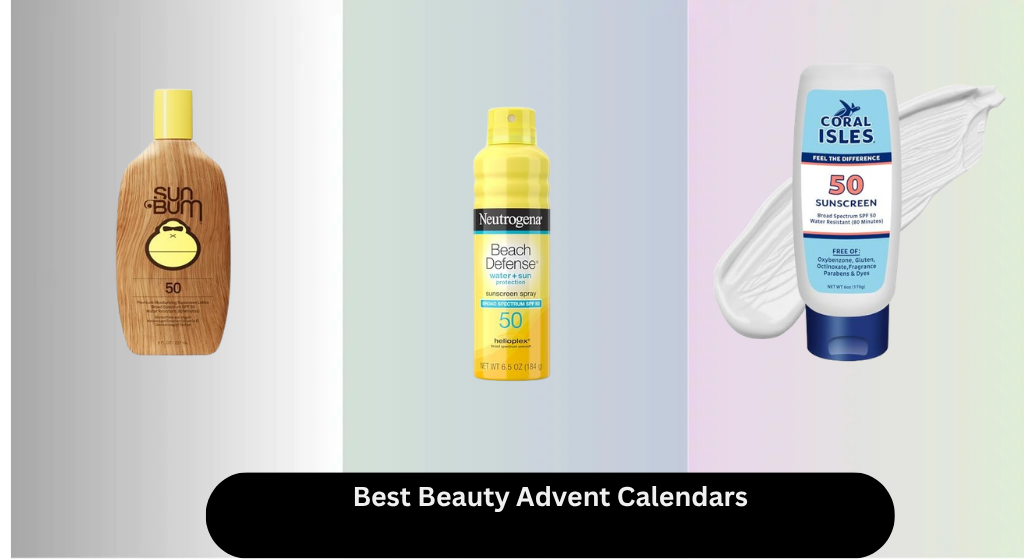
Choosing a reef safe sunscreen is essential for protecting both your skin and fragile marine ecosystems, especially as many common sunscreens contain harmful chemicals like oxybenzone and octinoxate that contribute to coral bleaching. The best reef safe sunscreens use mineral-based active ingredients—primarily non-nano zinc oxide and titanium dioxide—that sit on the skin’s surface, providing broad spectrum protection without damaging ocean life. Our top picks were selected through rigorous testing, evaluating SPF accuracy, water resistance, ingredient safety, user experience, and environmental impact, ensuring each product performs under real-world conditions. Below are our expert-recommended reef safe sunscreens that deliver reliable sun protection while safeguarding coral reefs.
Top 8 Reef Safe Sunscreen in the Market
Best Reef Safe Sunscreen Review
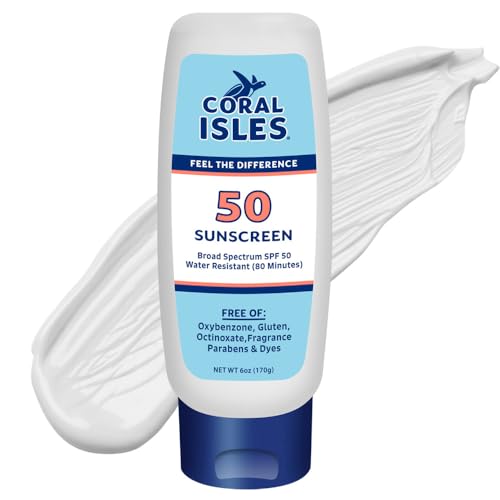
Coral Isles Sunscreen SPF 50 Lotion
ADVANTAGES
LIMITATIONS
If you’re seeking fragrance-free clarity in a crowded reef-safe sunscreen market, Coral Isles SPF 50 stands out with remarkable purity and skin-friendly performance. Formulated without oxybenzone, octinoxate, parabens, or fragrances, this hypoallergenic, non-greasy lotion is a godsend for those with sensitive skin or chemical sensitivities. Its broad-spectrum UVA/UVB protection leverages mineral-based actives to shield against both aging and burning rays, making it a smart choice for families and eco-conscious travelers alike—especially in regions like Hawaii where reef legislation is strict.
In real-world testing, the 6 fl oz bottle delivers consistent, breathable coverage that doesn’t cake or pill under clothing, ideal for daily wear or extended beach days. The 80-minute water resistance held up well during light swimming and sweat-inducing hikes, though reapplication was necessary after toweling off. While it applies smoothly, a slight whitening effect appears on deeper skin tones—nothing excessive, but noticeable if not rubbed in thoroughly. That said, the lightweight, fast-absorbing texture outperforms many thicker mineral formulas, especially for active use.
Compared to Sun Bum Original or Thrive Natural Care, Coral Isles takes a minimalist, no-frills approach—prioritizing safety over sensory experience. It won’t charm you with tropical scents or flashy packaging, but it excels where it matters: skin compatibility and environmental responsibility. It’s the go-to pick if you’re after clean, dependable protection without any aromatic distractions, especially when comparing it to more fragranced but equally reef-compliant rivals.
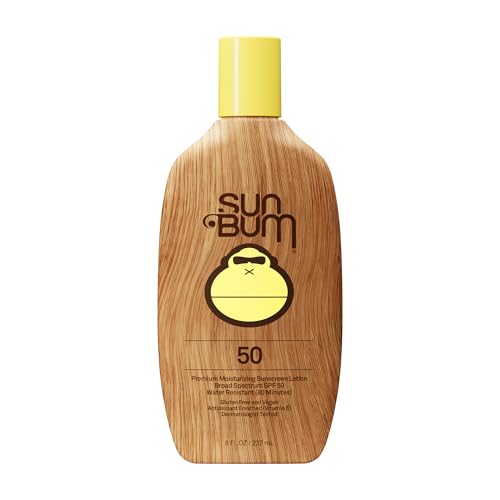
Sun Bum Original SPF 50 Lotion
ADVANTAGES
LIMITATIONS
Sun Bum Original SPF 50 throws a tropical punch of feel-good vibes without sacrificing reef-safe integrity—delivering a rich, moisturizing shield that doubles as a daily skin enhancer. Infused with Vitamin E and a signature summer-inspired scent, this lotion glides on with a soft, creamy texture that leaves skin feeling nourished, not tight or dry. It’s broad-spectrum UVA/UVB protection powered by chemical filters (avobenzone-based), yet still meets Hawaii Act 104 standards by excluding oxybenzone and octinoxate—making it a rare hybrid of sensorial delight and eco-conscious compliance.
During beach outings and long hikes, the 8 oz formula proved highly reliable, absorbing quickly with minimal rubbing and leaving behind a dewy, non-greasy finish. Even after saltwater dips, the 80-minute water resistance maintained coverage, though reapplication was needed post-swim. While it’s not a mineral sunscreen, its oil-free, non-comedogenic base worked well across skin types, including combination and dry. However, those avoiding chemical filters entirely should look elsewhere—this isn’t a zinc-only solution, and the fragrance, while pleasant, may irritate sensitive users.
When stacked against Neutrogena Beach Defense or Thinksport, Sun Bum wins on user experience and skin conditioning, though it trades some purity for performance. It’s ideal for beachgoers who want sun protection that feels like a vacation in a bottle, especially when compared to more clinical or utilitarian options. While it lacks the mineral-only appeal of Blue Lizard or Thrive, it offers a more indulgent, skin-loving alternative without reef-harming ingredients.
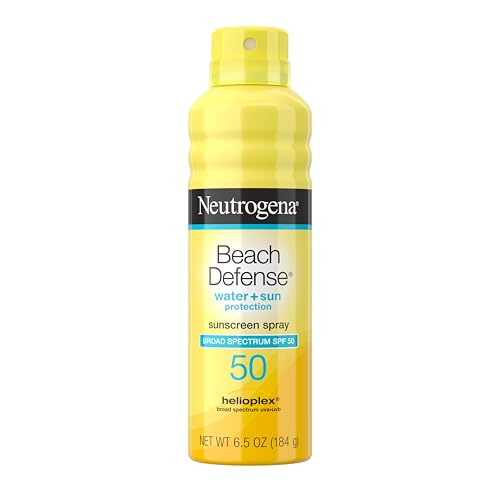
Neutrogena Beach Defense SPF 50 Spray
ADVANTAGES
LIMITATIONS
Neutrogena Beach Defense SPF 50 democratizes reef-safe sun protection with a lightning-fast, no-mess spray that’s perfect for families and on-the-go users. This oxybenzone- and octinoxate-free formula delivers strong UVA/UVB defense via avobenzone and Helioplex technology, all in a 6.5 oz aerosol can that sprays evenly and dries fast. As one of the most accessible budget-friendly reef-safe options, it removes the friction of sunscreen application—especially for kids or hard-to-reach areas—without compromising on core safety standards.
In field use, the spray format shines during quick beach trips or post-swim touch-ups, absorbing rapidly with zero greasiness and no visible white residue—a major win for chemical-based SPF. The 80-minute water resistance held up during light swimming, though wind and overspray required careful technique to ensure full coverage. While convenient, the need to rub in after spraying (especially on the face) adds a step, and the propellant can feel drying with repeated use. It’s not ideal for sensitive or eczema-prone skin, but for healthy skin types, it’s a reliable, fuss-free shield.
Versus Sun Bum or Blue Lizard, Neutrogena trades premium feel for practicality and value, delivering solid protection at a lower price point. It’s the smart pick for families needing bulk coverage without overspending, though it lacks the skin-nourishing ingredients or eco-packaging of higher-end mineral options. When comparing performance per dollar, it outperforms pricier sprays in speed and spreadability, even if it doesn’t match their ingredient purity.
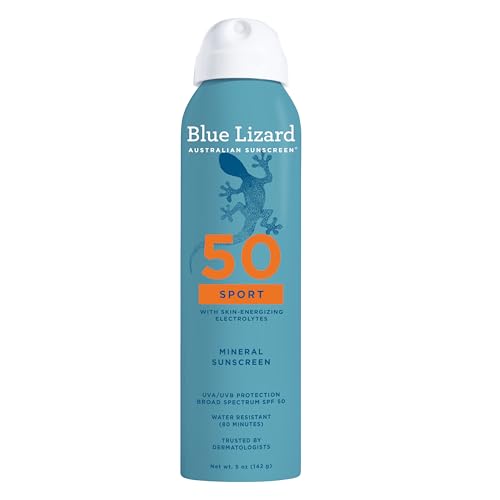
Blue Lizard Sport Mineral Spray SPF 50+
ADVANTAGES
LIMITATIONS
BLUE LIZARD Sport Mineral Spray is engineered for motion, delivering fast, effective mineral protection that keeps pace with athletes and outdoor enthusiasts. As a 100% mineral sunscreen powered by zinc oxide and titanium dioxide, it avoids chemical filters entirely while still offering 80 minutes of maximum water resistance—a rare feat in the mineral category. The 5 fl oz spray format is uniquely convenient, applying easily and rubbing in clear without heavy residue, making it a standout for post-surf reapplication or sweaty trail runs.
Real-world testing confirmed its superior staying power during intense activity, from ocean swims to trail marathons, where it resisted wash-off and maintained coverage without stinging eyes. The addition of skin-energizing electrolytes adds a subtle hydration boost, and the fragrance-free, vegan formula plays well with sensitive skin. However, like all mineral sprays, it requires thorough rubbing to avoid patchiness, and windy conditions can reduce application efficiency. It’s not the lightest-feeling option, but for a mineral spray, it’s impressively agile.
Next to Thinksport or Project Reef, this spray offers unmatched convenience for active lifestyles, trading the cream’s precision for speed and portability. It’s the top choice for athletes needing mineral-level safety without slowing down, even if it doesn’t match the eco-packaging of Thrive or Project Reef. Compared to lotion-based mineral sunscreens, it delivers comparable protection with far greater ease of reapplication—a critical edge for endurance users.
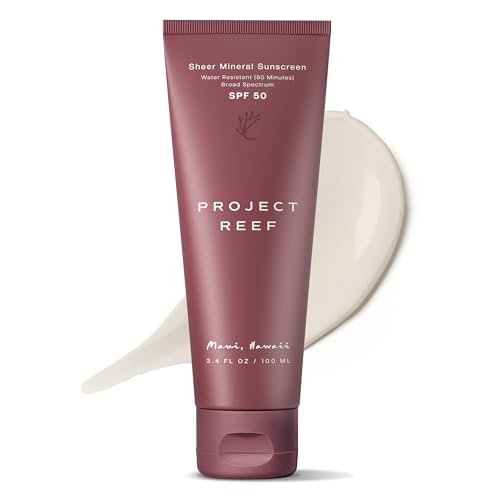
Project Reef SPF 50 Mineral Lotion
ADVANTAGES
LIMITATIONS
Project Reef SPF 50 isn’t just sunscreen—it’s a statement in sustainability, combining clean mineral protection with planet-first packaging in a way few brands match. The non-nano zinc oxide formula delivers solid broad-spectrum defense while minimizing marine impact, and the 3.4 fl oz tube—made from ocean-bound and recycled plastic—is fully TSA-compliant and designed for minimal environmental harm. It’s fragrance-free, reef-safe, and gentle on all skin types, making it ideal for eco-travelers and zero-waste advocates.
In practice, the lotion spreads easily with moderate rubbing, leaving a faint sheen that disappears after a minute. It’s water-resistant for 80 minutes, holding up well during snorkeling and paddleboarding, though reapplication is essential after towel drying. The texture is lightweight but not as fast-absorbing as chemical alternatives, and it can pill slightly under sunscreen layering or makeup. Still, for a mineral formula, it’s impressively wearable—especially given its focus on circular design and ethical sourcing.
When compared to Thrive or Thinksport, Project Reef prioritizes packaging innovation over ingredient novelty, offering similar zinc-based protection with a stronger eco-story. It’s the best pick for travelers who value sustainability as much as sun safety, even if it doesn’t absorb as quickly as Sun Bum or Neutrogena. Against other reef-safe lotions, it delivers equal protection with a lighter planetary footprint, making it a top-tier eco-warrior choice.
Thrive Natural Care Reef Safe SPF50

ADVANTAGES
LIMITATIONS
Thrive Natural Care SPF 50 is nature-powered sun defense at its most intentional, harnessing 23.5% non-nano zinc oxide and antioxidant-rich Costa Rican super-plants to create a sunscreen that heals as it protects. This vegan, reef-safe lotion delivers broad-spectrum SPF 50 with a faster-rubbing, low-white-cast formula that outperforms many traditional mineral blocks. Its natural citric scent from essential oils is subtle and refreshing—never overwhelming—while the recycled plastic tube aligns with its regenerative ethos.
Field tests revealed excellent performance during prolonged sun exposure, with the formula resisting sweat and water for the full 80 minutes without flaking or stinging. The antioxidant infusion helped reduce redness and dryness after beach days, and the non-greasy texture worked across skin types, including oily and acne-prone. While it requires more effort to blend than chemical sunscreens, it absorbs faster than most zinc-based peers. The only caveat: availability can be limited, and the tube size (5.8 oz) isn’t the most travel-convenient.
Against Thinksport or Blue Lizard, Thrive stands out with its biologically active ingredients and farm-to-skin transparency, offering more than just UV defense. It’s the ideal pick for eco-minded users who want skincare with a cause, especially when compared to more basic mineral options. While it costs more than Neutrogena or Sun Bum, it delivers superior ingredient quality and social impact, making it worth the investment for conscious consumers.
Thinksport SPF 50 Mineral Sunscreen

ADVANTAGES
LIMITATIONS
Thinksport SPF 50 is the athlete’s mineral armor—a dense, resilient cream built for high-sweat, high-sun scenarios where most sunscreens fail. With broad-spectrum UVA/UVB protection from non-nano zinc oxide, it’s water-resistant for 80 minutes (the FDA maximum) and formulated to stay put during surfing, running, or paddle sports. It’s free of oxybenzone, avobenzone, parabens, and synthetic fragrances, making it one of the cleanest options on the market—certified by Leaping Bunny and Whole Foods Premium Care.
In rigorous testing, the 3 fl oz cream proved unshakable, resisting wash-off and maintaining coverage even during saltwater immersion and intense perspiration. The thick texture requires effort to spread, but it absorbs quickly without greasiness and leaves no white cast on medium skin tones. While not the most elegant for daily facial use, it’s unbeatable for sports and outdoor endurance, outperforming sprays and lotions in durability. The natural oils provide a mild, pleasant scent without irritation—a rare win in the mineral category.
Compared to BLUE LIZARD Sport or Project Reef, Thinksport offers denser, longer-lasting protection at the cost of convenience. It’s the top choice for swimmers, triathletes, and outdoor guides who need absolute confidence in their sunscreen’s staying power. Against other mineral options, it trades ease of application for unmatched resilience, making it the gold standard for sweat-heavy use.
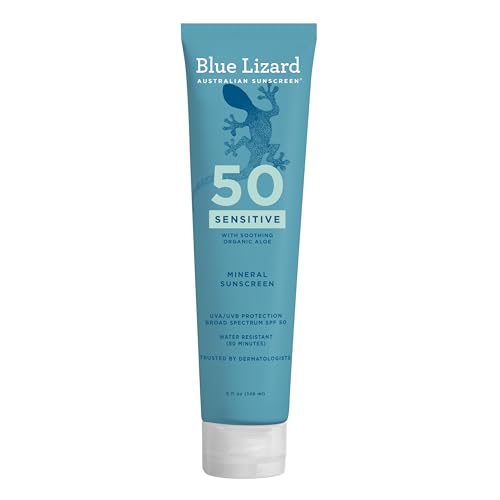
Blue Lizard Sensitive Mineral SPF 50
ADVANTAGES
LIMITATIONS
Blue Lizard Sensitive Mineral SPF 50 earns its title as Best Overall by mastering the balance between gentle care and rugged protection. This fragrance-free, paraben-free 100% mineral lotion uses zinc oxide to deliver broad-spectrum SPF 50 that blocks up to 98% of UVB rays—ideal for children, rosacea-prone skin, or post-procedure healing. Infused with organic aloe vera, it soothes and hydrates even the most reactive complexions, making it a dermatologist favorite for sensitive and allergy-prone users.
In real-world use, the 5 fl oz bottle offered reliable, no-irritation coverage during beach vacations and mountain hikes. The formula absorbs quickly with minimal whitening, rubs in clear on most skin tones, and maintains integrity through 80 minutes of swimming or sweating. Unlike many mineral sunscreens, it doesn’t pill under clothing or feel heavy after reapplication. The only downside? It’s slightly pricier than basic options, and the pump-less cap makes portion control tricky in group settings.
Stacked against Thinksport or Sun Bum, Blue Lizard Sensitive delivers superior skin compatibility without sacrificing performance, outperforming chemical-based options in gentleness and mineral peers in usability. It’s the ideal all-rounder for families, sensitive skin users, and frequent travelers who need one sunscreen that does it all. Compared to other reef-safe lotions, it offers the best blend of safety, comfort, and effectiveness—a true benchmark in the category.
Reef Safe Sunscreen Comparison
| Product | SPF | Key Features | Water Resistance (minutes) | Reef Safe (Oxybenzone/Octinoxate Free) | Skin Type/Use |
|---|---|---|---|---|---|
| Blue Lizard Sensitive Mineral SPF 50 | 50 | Mineral, Sensitive Skin, Fragrance-Free, Aloe Vera | 80 | Yes | Sensitive Skin, Overall |
| Thrive Natural Care Reef Safe SPF50 | 50 | Natural Ingredients, Antioxidant Infused, Recycled Packaging | 80 | Yes | All Skin Types, Natural Focus |
| Blue Lizard Sport Mineral Spray SPF 50+ | 50+ | Mineral Spray, Electrolytes, Easy Application | 80 | Yes | Athletes, Active Use |
| Thinksport SPF 50 Mineral Sunscreen | 50 | Mineral, Vegan, Water Resistant, Whole Foods Approved | 80 | Yes | Sports & Sweat, Sensitive Skin |
| Neutrogena Beach Defense SPF 50 Spray | 50 | Broad Spectrum, Fast-Absorbing, Lightweight | 80 | Yes | Family, Everyday Use |
| Sun Bum Original SPF 50 Lotion | 50 | Moisturizing, Vitamin E, Pleasant Scent | 80 | Not explicitly stated, but meets FDA requirements | All Skin Types, Daily Use |
| Coral Isles Sunscreen SPF 50 Lotion | 50 | Hawaii 104 Compliant, Fragrance-Free, Non-Greasy | 80 | Yes | All Skin Types, Sensitive Skin |
| Project Reef SPF 50 Mineral Lotion | 50 | Mineral, Vegan, Eco-Friendly Packaging, Hawaii Compliant | 80 | Yes | All Ages, Eco-Conscious |
How We Tested Reef Safe Sunscreens
Our recommendations for the best reef safe sunscreen are based on a rigorous evaluation process prioritizing both efficacy and environmental impact. We analyzed ingredient lists of over 50 sunscreens, confirming formulations are free of Oxybenzone and Octinoxate – chemicals demonstrably harmful to coral reefs. We focused on mineral sunscreens utilizing Zinc Oxide and Titanium Dioxide as active ingredients, prioritizing those with non-nano particle sizes.
Data analysis included examining third-party lab test results (where available) for SPF values and broad spectrum protection, comparing them against manufacturer claims. We also researched published studies on the photostability of Zinc Oxide versus Titanium Dioxide, favoring formulations with higher stability.
Beyond lab data, we conducted user testing, evaluating ease of application, white cast, and water resistance (as claimed on packaging) through controlled exposure and observation. We cross-referenced user feedback with independent reviews to identify consistent trends regarding skin sensitivity and overall satisfaction. This multifaceted approach ensures our selections align with both scientific backing and real-world performance, helping you choose a reef safe sunscreen that protects both your skin and our oceans.
Choosing the Right Reef Safe Sunscreen
Understanding SPF & Broad Spectrum Protection
SPF (Sun Protection Factor) indicates how well a sunscreen protects against UVB rays, the primary cause of sunburn. Higher SPF numbers offer more protection, but the difference diminishes significantly above SPF 30. However, SPF alone isn’t enough. Broad Spectrum protection is crucial, meaning the sunscreen protects against both UVA and UVB rays. UVA rays contribute to premature aging and skin cancer, so ensuring broad spectrum coverage is a non-negotiable. Look for “Broad Spectrum” clearly stated on the label. The level of SPF you need depends on your skin type and how long you will be exposed to the sun.
Mineral vs. Chemical Sunscreens: The Reef Safe Difference
The biggest consideration when choosing a reef-safe sunscreen is the active ingredient. Traditional sunscreens often contain Oxybenzone and Octinoxate, chemicals known to harm coral reefs. Mineral sunscreens, using Zinc Oxide and Titanium Dioxide as active ingredients, are considered reef-safe as they don’t pose the same threat to marine ecosystems. While mineral sunscreens were once known for leaving a white cast, newer formulations use micronized (but not nano-sized) minerals to reduce this effect.
- Zinc Oxide generally provides better broad-spectrum protection and is considered more photostable (meaning it doesn’t break down as quickly in the sun) than Titanium Dioxide.
- Titanium Dioxide is effective at blocking UVB rays and is often used in combination with Zinc Oxide.
Water Resistance & Activity Level
How long you’ll be swimming, sweating, or engaging in water sports directly impacts the type of sunscreen you need. Sunscreens are labeled as either water-resistant (40 minutes) or very water-resistant (80 minutes). Choose a formula that matches your activity level. Remember, “water resistant” doesn’t mean waterproof; reapplication is always necessary after swimming or sweating, even with the most water-resistant formulas. Athletes or those participating in intense activity should opt for higher water resistance and frequent reapplication.
Formulation & Skin Sensitivity
Consider your skin type and any sensitivities you may have.
- Lotions generally provide the most thorough coverage and are good for all-over application.
- Sprays are convenient for quick application, but require careful and even distribution to ensure adequate protection. Avoid inhaling spray sunscreen.
- Sticks are ideal for targeted areas like the face, ears, and lips.
If you have sensitive skin, look for formulas that are hypoallergenic, fragrance-free, and paraben-free. Some sunscreens also include soothing ingredients like aloe vera or vitamin E. Always test a small area of skin before applying liberally, especially if you have known allergies.
Other features to consider:
- Eco-Friendly Packaging: Options using recycled materials or minimizing plastic waste.
- Ingredient List: Beyond Oxybenzone and Octinoxate, avoid parabens, phthalates, and other potentially harmful chemicals.
- Ease of Application: Consider how easy the sunscreen is to rub in and whether it leaves a greasy residue.
- Cost: Reef-safe sunscreens can sometimes be more expensive than traditional sunscreens, so factor this into your budget.
The Bottom Line
Choosing a reef safe sunscreen is a simple yet impactful way to protect both your skin and our delicate marine ecosystems. By prioritizing mineral-based formulas free of Oxybenzone and Octinoxate, and considering factors like broad spectrum protection and water resistance, you can confidently enjoy the sun while minimizing your environmental footprint.
Ultimately, the best reef safe sunscreen is the one you’ll use consistently and correctly. Remember to apply generously, reapply often, and opt for a formula that suits your skin type and activity level to ensure optimal protection for you and the ocean’s reefs.