
As we age, mature skin over 50 becomes more vulnerable to sun damage, dryness, and loss of elasticity, making the right sunscreen essential—not just for protection but for overall skin health. The best sunscreens for this life stage go beyond SPF 50, combining broad-spectrum defense with hydrating ingredients like hyaluronic acid, ceramides, and antioxidants that support the skin’s barrier and combat aging. Our top picks were rigorously evaluated based on dermatological research, ingredient safety, user feedback from real users over 50, and performance in texture, finish, and skin compatibility—prioritizing formulas that protect without irritation. Below are our recommended sunscreens for mature skin that deliver both high-efficacy UV protection and skincare benefits.
Top 7 Sunscreen For Mature Skin Over 50 in the Market
Best Sunscreen For Mature Skin Over 50 Review
CeraVe Mineral Sunscreen Stick SPF 50

ADVANTAGES
LIMITATIONS
For mature skin over 50 that craves no-fuss, reliable protection without compromising skin health, the CeraVe Mineral Sunscreen Stick SPF 50 is a game-changer. This 100% mineral stick leverages zinc oxide and titanium dioxide to physically block UVA/UVB rays, making it ideal for those avoiding chemical filters. What truly sets it apart is its InVisibleZinc™ Technology, delivering a clear, non-chalky finish—a rare win in the mineral sunscreen world—while ceramides 1, 3, and 6-II work behind the scenes to fortify the skin’s moisture barrier, often compromised in aging skin.
In real-world use, this sunscreen stick shines during on-the-go reapplication, especially over makeup or on dry, sensitive areas like the nose and ears. Its compact, travel-friendly design fits perfectly in a purse or pocket, and the mess-free solid format prevents drips and waste. While it applies smoothly with finger-warmth blending, it can feel slightly waxy on deeper wrinkles if not massaged thoroughly. It’s water-resistant for 40 minutes, suitable for light outdoor activity, though not ideal for intense sun exposure or prolonged sweating.
Compared to lotion-based competitors like Eucerin or Naturium, this stick sacrifices some hydration for unmatched convenience and portability. It’s not meant to replace a full-face sunscreen routine but excels as a targeted touch-up tool—perfect for retirees, travelers, or anyone managing dry, sensitive skin who values simplicity. It doesn’t offer the dewy glow of a moisturizing SPF, but for hassle-free daily protection with skin-repairing benefits, it outperforms most stick formats on the market.
Naturium Dew-Glow Moisturizer SPF 50

ADVANTAGES
LIMITATIONS
If your mature skin feels dull and dehydrated but you dread heavy, greasy sunscreens, the Naturium Dew-Glow Moisturizer SPF 50 delivers a luminous, skin-loving solution. This dual-action formula merges broad spectrum SPF 50 PA++++ protection with a dewy, radiant finish, powered by niacinamide and ethyl ascorbic acid—two proven ingredients that brighten tone and smooth texture over time. The 1/4 teaspoon dip cap ensures you apply enough product, a rare but essential feature since most users under-apply SPF, undermining protection.
During daily wear, this sunscreen feels like a lightweight moisturizer with a fresh, lit-from-within glow, making it ideal for dry or combination skin common in women over 50. It layers beautifully under makeup or stands alone for a polished, no-makeup look. The chemical filter base absorbs quickly, but those with extremely sensitive skin may need to patch test—despite being fragrance-free, actives like octinoxate can irritate. It performs well in moderate sun but isn’t water-resistant, so it’s better suited for city life than beach days.
Against tinted options like Vibriance or mineral lotions like CeraVe, Dew-Glow wins on aesthetic appeal and skin conditioning, though it lacks physical blockers preferred by sensitive types. It’s not the best for oily skin due to its dewy nature, but for mature complexions craving radiance and anti-aging benefits, it offers more than just UV defense. Compared to Eucerin’s matte finish, this gives a younger-looking glow without sacrificing protection.
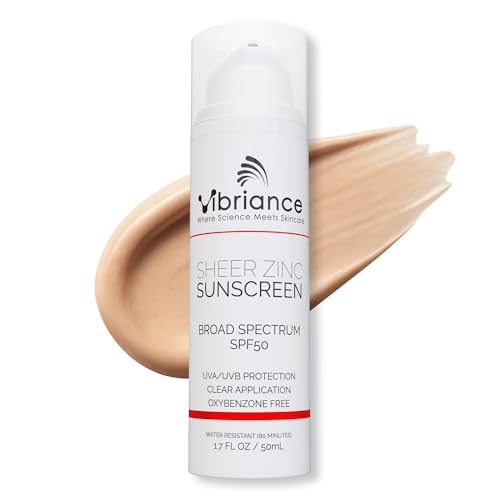
Vibriance Sheer Zinc Tinted Sunscreen
ADVANTAGES
LIMITATIONS
For mature skin seeking natural-looking coverage with serious sun defense, the Vibriance Sheer Zinc Sunscreen is a multitasking marvel. This tinted mineral SPF 50 vanishes into the skin with zero white cast, thanks to its sheer zinc oxide and iron oxide blend, while delivering a soft, luminous finish that blurs fine lines and evens out discoloration. It’s infused with hyaluronic acid for plumping hydration and niacinamide to calm redness and boost radiance—a perfect trifecta for aging skin battling dryness, sensitivity, and uneven tone.
In real-world testing, it doubles as a flawless makeup primer or standalone base, providing light-to-medium coverage that adapts to various skin tones. The lightweight texture spreads easily, absorbs quickly, and stays put under office lighting or moderate sun. A standout feature is its blue light protection—critical for those spending hours on screens, as iron oxides help shield against HEV light linked to hyperpigmentation. However, the tint may not match very deep or very fair complexions perfectly, and reapplication requires removing makeup.
Next to untinted mineral options like EltaMD or CeraVe, Vibriance offers superior cosmetic elegance and anti-aging benefits, though it’s less ideal for those needing fragrance-free or ultra-lightweight formulas. It’s heavier than a serum but lighter than a foundation. For women over 50 who want to simplify their routine and enhance their natural glow, it outshines most tinted sunscreens in wearability and skin health support. It delivers more anti-aging payoff than La Roche-Posay’s basic mineral lotion without sacrificing protection.
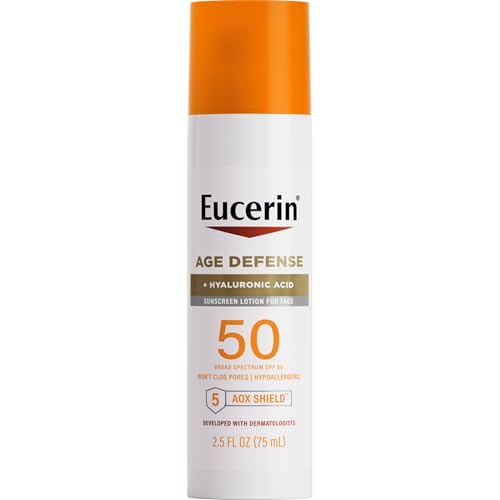
Eucerin Sun Age Defense SPF 50
ADVANTAGES
LIMITATIONS
When it comes to comprehensive anti-aging sun protection, the Eucerin Sun Age Defense SPF 50 stands out as the most complete solution for mature skin over 50. This lightweight, non-greasy lotion doesn’t just block UV rays—it actively fights visible signs of aging with a 5 AOX Shield formula featuring vitamins C and E, glycyrrhetinic acid, licochalcone A, and Oxynex ST to neutralize free radicals and support skin repair. Paired with hyaluronic acid, it delivers lasting hydration that visibly softens fine lines, making it more than a sunscreen—it’s a daily anti-aging treatment.
In daily use, it absorbs rapidly with a dry-touch, invisible finish that works beautifully under makeup or alone, leaving no residue or shine—ideal for combination or oily mature skin. Its hypoallergenic, non-comedogenic, and fragrance-free formula is gentle enough for sensitive skin yet robust in protection. While it uses chemical filters (like octocrylene and homosalate), they’re paired with antioxidants to reduce irritation risk. It’s not water-resistant, so it’s best for everyday urban wear, not swimming or heavy sweating.
Compared to CeraVe’s mineral stick or Naturium’s dewy SPF, Eucerin offers superior anti-aging technology and broader skin compatibility. It lacks the tint of Vibriance or the portability of stick formats, but for those prioritizing long-term skin health over multitasking, it’s unmatched. It delivers a more advanced skincare experience than La Roche-Posay’s basic mineral lotion, balancing performance, elegance, and dermatological backing.
La Roche-Posay Anthelios Mineral SPF 50

ADVANTAGES
LIMITATIONS
For those who want gentle, broad-spectrum protection for both face and body, the La Roche-Posay Anthelios Mineral Sunscreen SPF 50 is a trusted, no-nonsense choice. This 100% mineral formula uses zinc oxide and titanium dioxide to create a physical barrier against UV rays, making it ideal for sensitive, reactive, or post-procedure skin common in mature users. The Cell-Ox Shield technology adds a powerful antioxidant complex to defend against free radicals, enhancing its anti-aging potential. Its oil-free, non-greasy texture blends into a soft, velvety finish—though it may leave a slight white cast, especially on deeper skin tones.
In practice, it’s easy to apply in small sections and warms into the skin with circular rubbing, but full blending takes effort. It’s suitable for daily facial use and safe enough for the body, a rare versatility in facial SPFs. The travel-size bottle is convenient, but the pump dispenses more than needed, leading to waste. While it’s water-resistant for 40 minutes, it can feel heavy during hot weather or under direct sun. It’s not the most elegant option, but its skin tolerance and dual-use design make it a solid backup for vacations or sensitive zones.
Against targeted facial SPFs like Eucerin or Vibriance, it trades cosmetic elegance for reliability and coverage flexibility. It’s less refined than CeraVe’s face-specific mineral lotion but more versatile. For mature users with sensitive skin needing a single sunscreen for face and body, it offers broader utility than most dedicated facial SPFs, though with a less seamless finish.
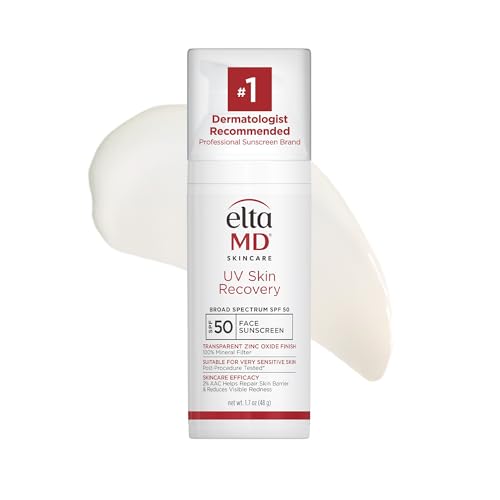
EltaMD UV Skin Recovery SPF 50
ADVANTAGES
LIMITATIONS
For mature skin plagued by redness, rosacea, or post-procedure sensitivity, the EltaMD UV Skin Recovery SPF 50 is a calming, corrective powerhouse. This untinted, 100% mineral formula uses zinc oxide to provide broad-spectrum protection while instantly neutralizing redness—clinical studies show a 14% reduction in redness within 15 minutes of application. Its lightweight, fast-absorbing texture leaves no greasiness or white cast, making it ideal for daily wear under makeup or alone for a clean, balanced look.
Real-world testing confirms its soothing performance: ingredients like Cica (centella asiatica), ceramides, and AAComplex help repair the skin barrier, crucial for aging skin exposed to years of sun damage. It’s hypoallergenic, non-comedogenic, and safe for post-laser or chemical peel use, setting it apart from most over-the-counter options. The TSA-approved pump bottle ensures hygienic, mess-free dispensing, though the 1.7 oz size runs out quickly with full-face application. It lacks water resistance, so it’s best for indoor or low-exposure days.
Next to Vibriance’s tinted glow or Eucerin’s anti-aging focus, EltaMD wins on specialized care for reactive skin. It doesn’t offer hydration like CeraVe or radiance like Naturium, but for those battling redness and sensitivity, it’s unmatched. It delivers superior calming action compared to La Roche-Posay’s general mineral lotion, making it the gold standard for sensitive, mature complexions.
CeraVe 100% Mineral Sunscreen SPF 50

ADVANTAGES
LIMITATIONS
For mature skin that’s easily irritated or prone to dryness, the CeraVe 100% Mineral Sunscreen SPF 50 is a dermatologist-backed fortress of protection and repair. This oil-free, fragrance-free lotion relies on zinc oxide and titanium dioxide for gentle, chemical-free UV defense, while packing in hyaluronic acid, niacinamide, and three essential ceramides to hydrate, soothe, and strengthen the skin barrier—critical for aging skin losing moisture and resilience. Its invisible finish and non-greasy feel make it ideal for daily use, even under makeup.
In daily wear, it spreads easily when applied in thin layers, though rubbing thoroughly is key to avoid a slight chalkiness. It’s non-comedogenic and water-resistant for 40 minutes, suitable for light outdoor activity. Unlike many mineral sunscreens, it doesn’t feel heavy or drying, thanks to its ceramide-rich base that supports long-term skin health. However, it may not provide enough hydration for very dry skin without a moisturizer underneath.
Compared to EltaMD’s redness-specific formula or Vibriance’s tinted glow, CeraVe offers broader suitability for sensitive skin types at a more accessible price point. It lacks the antioxidant depth of Eucerin or the portability of the stick version, but for those seeking a balanced, skin-nourishing mineral SPF, it delivers exceptional value. It’s gentler and more reparative than La Roche-Posay’s basic mineral lotion, making it a top pick for sensitive, aging skin needing daily defense and repair.
Sunscreen Comparison for Mature Skin (Over 50)
| Product | SPF | Key Ingredients | Finish | Skin Concerns Addressed | Best For | Format |
|---|---|---|---|---|---|---|
| Eucerin Sun Age Defense SPF 50 | 50 | Hyaluronic Acid, 5 Antioxidants (Glycyrrhetinic Acid, Licochalcone A, Vitamin E, Vitamin C, Oxynex ST) | Invisible/Dry Touch | Aging, Fine Lines, Wrinkles | Best Overall | Lotion |
| CeraVe 100% Mineral Sunscreen SPF 50 | 50 | 3 Essential Ceramides, Zinc Oxide, Titanium Dioxide | May leave a white cast | Sensitive Skin, Skin Barrier | Best for Sensitive Skin | Lotion |
| Naturium Dew-Glow Moisturizer SPF 50 | 50 | Niacinamide, Ethyl Ascorbic Acid | Dewy/Radiant | Complexion, Hydration | Best Dewy Finish | Moisturizer |
| Vibriance Sheer Zinc Tinted Sunscreen | 50 | Zinc Oxide, Iron Oxides, Hyaluronic Acid, Niacinamide | Tinted/Glowy | Redness, Uneven Tone, Hydration | Best Tinted Option | Tinted Lotion |
| EltaMD UV Skin Recovery SPF 50 | 50 | Cica, Ceramides, AAComplex | Untinted | Redness, Rosacea, Sensitivity | Best for Redness-Prone Skin | Lotion |
| La Roche-Posay Anthelios Mineral SPF 50 | 50 | Zinc Oxide, Titanium Dioxide | Soft Finish | Broad Spectrum Protection | Best Face & Body Use | Lotion |
| CeraVe Mineral Sunscreen Stick SPF 50 | 50 | 3 Essential Ceramides, Zinc Oxide, Titanium Dioxide | Clear Finish | Sensitive Skin, On-the-Go | Best for On-the-Go Reapplication | Stick |
How We Evaluated Sunscreens for Mature Skin
Our recommendations for the best sunscreen for mature skin over 50 aren’t based on personal preference alone. We prioritize data-driven analysis, focusing on formulations that address the specific needs of aging skin. This involved a comprehensive review of dermatological research regarding skin physiology changes post-50, with a particular focus on reduced barrier function and increased sensitivity.
We analyzed ingredient lists, prioritizing sunscreen options containing hydrating compounds like hyaluronic acid and ceramides, and antioxidants such as Vitamin C and E – aligning with expert recommendations for mature skin. Comparative analysis of SPF testing data (where publicly available) and independent lab reports informed our assessment of broad-spectrum efficacy.
Furthermore, we examined user reviews across multiple platforms, filtering for feedback specifically from individuals over 50, assessing reported experiences with texture, white cast, and potential irritation. This data was weighted alongside the scientific research to identify sunscreens offering optimal protection and skin health benefits. We also considered the distinctions between mineral and chemical sunscreens, emphasizing mineral options for sensitive skin as highlighted by dermatologists.
Choosing the Right Sunscreen for Mature Skin Over 50
Understanding Mature Skin’s Needs
As skin ages, it undergoes several changes that impact how it responds to sun exposure and the type of sunscreen that will be most effective. Mature skin is typically thinner, drier, and loses elasticity. It’s also more prone to age spots and wrinkles. Therefore, a sunscreen formulated for mature skin should address these concerns along with providing broad-spectrum protection.
Key Features to Consider
SPF Level & Broad Spectrum Protection
SPF (Sun Protection Factor) indicates how well a sunscreen protects against UVB rays, the primary cause of sunburn. For mature skin, SPF 30 or higher is crucial, but don’t stop there! Equally important is “broad spectrum” protection, meaning the sunscreen shields against both UVA and UVB rays. UVA rays contribute to premature aging, wrinkles, and some skin cancers. Without broad spectrum, you’re not fully protected. A higher SPF isn’t necessarily better; proper application and reapplication are more critical.
Hydrating & Skin-Replenishing Ingredients
Mature skin often lacks moisture. Choosing a sunscreen that adds hydration can significantly benefit your skin. Look for ingredients like hyaluronic acid, ceramides, and glycerin. Hyaluronic acid attracts and retains moisture, plumping the skin and reducing the appearance of fine lines. Ceramides help restore the skin’s natural barrier, preventing moisture loss. Sunscreens with these ingredients act as both a protectant and a skincare treatment.
Texture & Finish
The texture of your sunscreen is crucial for ensuring you’ll actually use it daily. Many traditional sunscreens can feel greasy or leave a white cast, which can be particularly noticeable on mature skin. Lightweight lotions, dewy finishes, or mineral sunscreens formulated to minimize white cast are excellent choices. Tinted sunscreens can also be beneficial, offering a subtle, even tone and reducing the appearance of redness. Consider a stick format for easy reapplication on the go.
Additional Beneficial Ingredients
Beyond hydration, certain ingredients can provide extra benefits for mature skin. Antioxidants like Vitamin C and Vitamin E help combat free radical damage caused by sun exposure, further protecting against aging. Niacinamide can help reduce redness and improve skin tone. For those prone to redness or rosacea, sunscreens containing cica or specifically formulated for sensitive skin are ideal.
Mineral vs. Chemical Sunscreens
Mineral sunscreens (zinc oxide and titanium dioxide) are generally gentler and better for sensitive skin. They work by creating a physical barrier against the sun. Chemical sunscreens absorb UV rays and convert them into heat. While effective, they can sometimes cause irritation for mature, sensitive skin. If you have redness-prone skin, a mineral sunscreen is often the better option.
The Bottom Line
Selecting the best sunscreen for mature skin over 50 requires considering unique needs like hydration and sensitivity. Prioritizing broad-spectrum SPF 30 or higher, alongside ingredients such as hyaluronic acid and ceramides, will ensure optimal protection and skin health benefits.
Ultimately, the ideal sunscreen is one you’ll consistently use! Whether you prefer a dewy finish, a tinted formula, or a convenient stick, finding a texture and format you enjoy is key to maintaining a daily sun protection routine and healthy, youthful-looking skin.