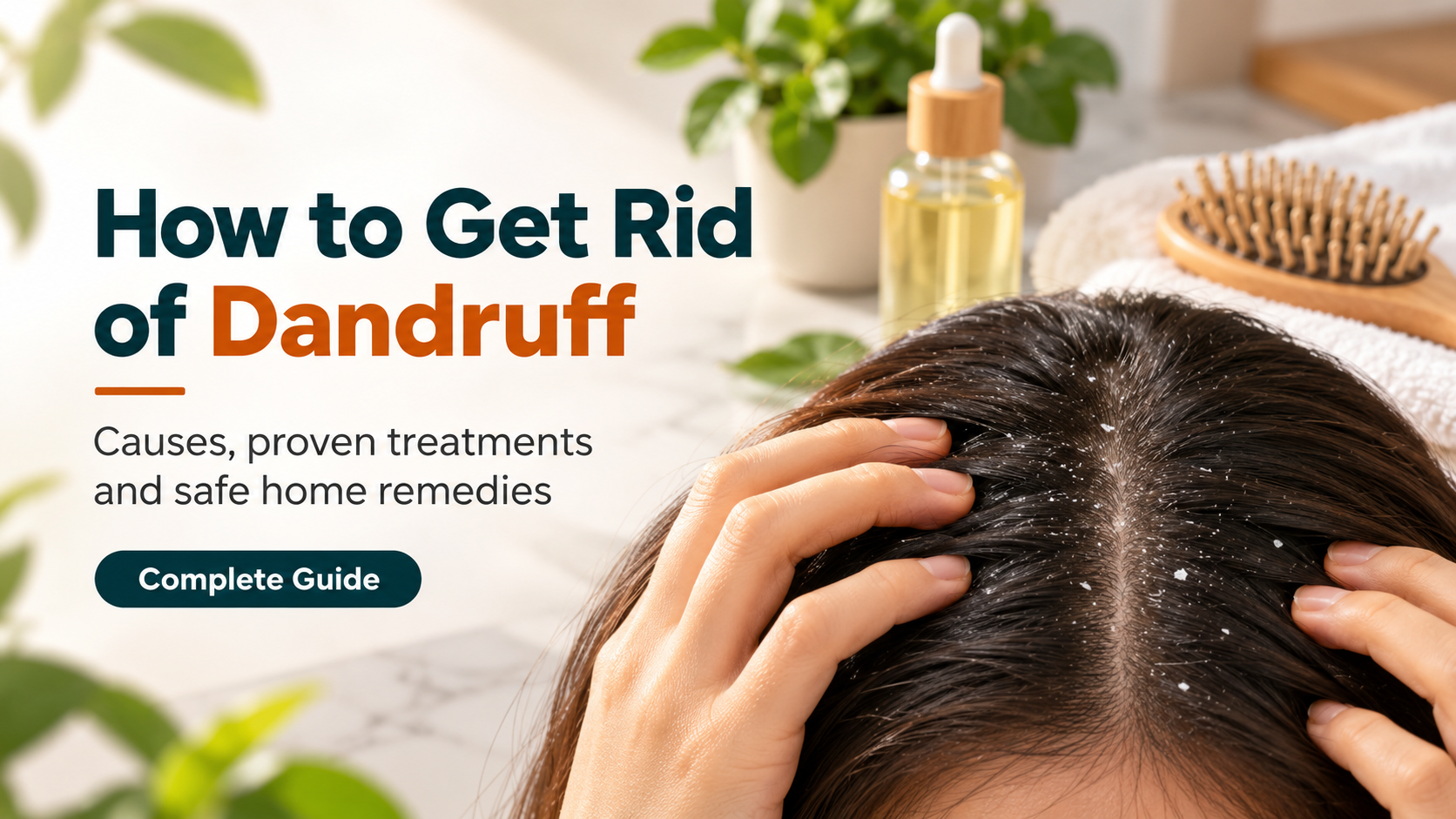

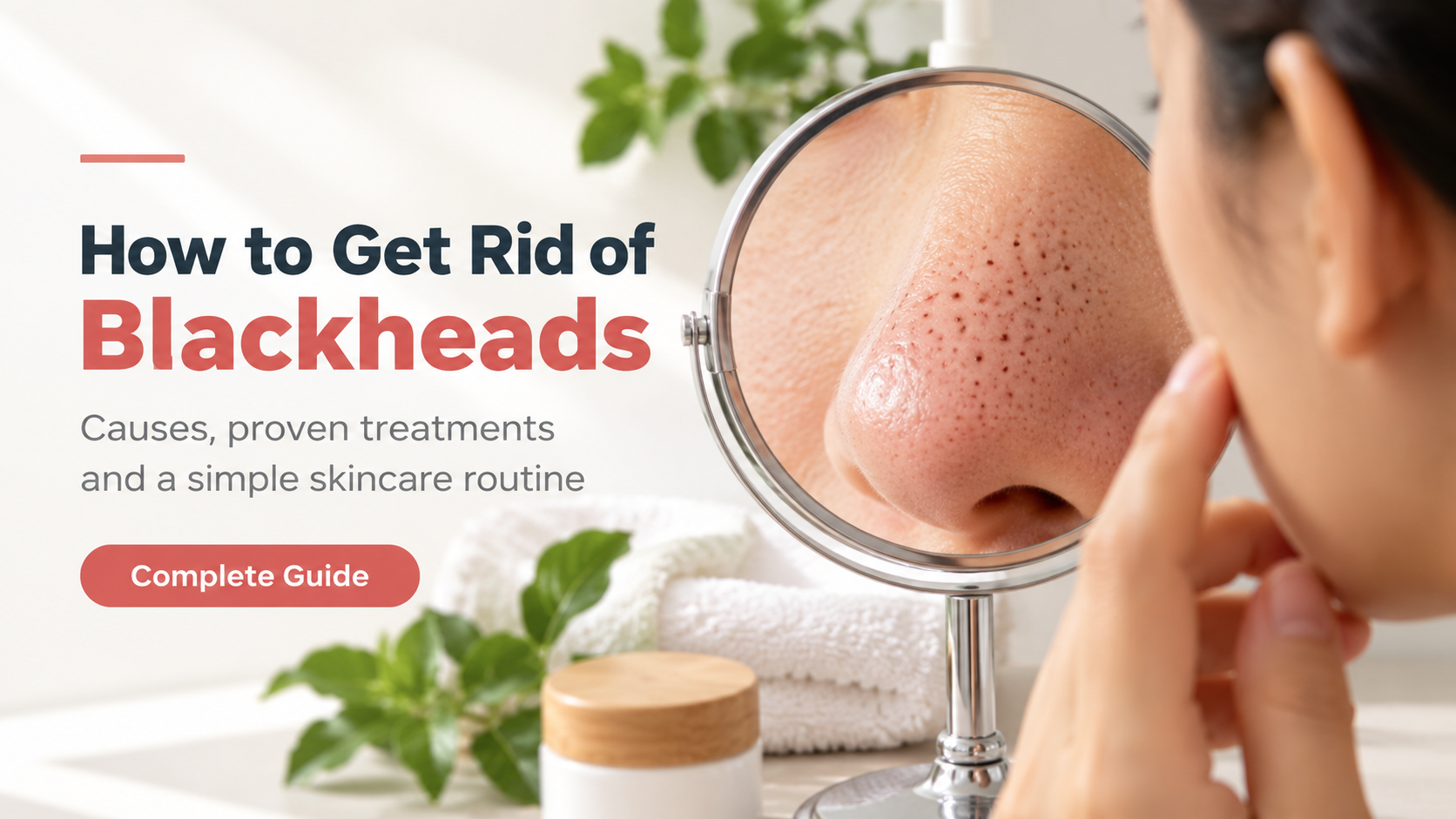

Those tiny dark dots across your nose, chin and forehead can be stubborn. You wash your face, you scrub, you try the strips, and a few days later they are back. If that sounds familiar, the problem is rarely effort. It is usually the method.
Blackheads are one of the most common skin concerns at every age, and they are very treatable once you understand what they are and which ingredients actually dissolve them. In this guide you will learn what causes blackheads, how they differ from whiteheads, the proven ingredients and routine that clear them, which popular DIY tricks to skip, and when to get professional help.
Quick answer: how to get rid of blackheads
- Use a leave-on exfoliant with salicylic acid (a BHA) to dissolve the oil and dead skin that clog the pore.
- Add a retinoid, such as adapalene, a few nights a week to stop new blackheads from forming.
- Cleanse gently twice a day, moisturize with an oil-free product and wear sunscreen every morning.
- Do not squeeze, scrub hard or use toothpaste, baking soda or lemon juice.
- Give it 6 to 12 weeks. See a dermatologist if there is no improvement or if your skin becomes irritated or inflamed.
What Are Blackheads?
A blackhead is a type of clogged pore called an open comedone. Each pore contains a hair follicle and a small oil gland. The gland makes sebum, a natural oil that keeps your skin soft. When sebum and dead skin cells build up inside the pore, they form a plug. In a blackhead, the top of the plug stays open to the air.
The dark color is not dirt. When the plug is exposed to oxygen, the oil and pigment in it oxidize and darken, in the same way that a cut apple turns brown. This is why scrubbing harder never works: the plug sits down inside the pore, not on the surface of your skin.
Blackheads show up most often where oil glands are most active: the nose, chin, forehead and cheeks. They can also appear on the chest, back and shoulders. They are a mild form of acne and are not a sign that you are unclean or unhealthy.
What Causes Blackheads?
Blackheads usually develop when several factors combine. Understanding your own triggers makes treatment far more effective.

1. Excess oil production
Oil glands that make more sebum than the pore can release cause oil to back up inside it. Oily and combination skin types are the most prone.
2. Dead skin cells that do not shed properly
Skin naturally renews itself, but in some people the dead cells stick together inside the pore instead of flaking away. They mix with oil and form the plug.
3. Hormonal changes
Hormones called androgens increase oil production. This is why blackheads often begin in puberty and can flare around periods, during pregnancy or with conditions such as polycystic ovary syndrome (PCOS).
4. Pore-clogging products
Heavy foundations, thick creams, some sunscreens and oily hair products can block pores. Products labeled “non-comedogenic” are formulated to be less likely to do this. Going to bed without removing makeup and sunscreen makes it worse.
5. Sweat, humidity and friction
Hot, humid weather, sweat and pressure from masks, helmets, hats and tight straps can trap oil and irritate pores.
6. Genetics and skin type
If your parents had oily skin or large-looking pores, you are more likely to have them too. Some medications, including corticosteroids and certain hormonal treatments, can also contribute.
Blackheads vs Whiteheads vs Sebaceous Filaments
Not every dark dot on your nose is a blackhead. Telling them apart helps you choose the right approach.

| Feature | Blackhead | Whitehead | Sebaceous filament |
|---|---|---|---|
| What it is | Open, clogged pore | Closed, clogged pore | Normal oil channel lining the pore |
| Look | Dark, flat dot with a solid plug | Small white or skin-toned bump | Tiny pale gray or tan dots, evenly spaced |
| Needs treatment? | Yes, if bothersome | Yes, if bothersome | No, they refill within days |
Sebaceous filaments are especially common on the nose. They are a normal part of how oil travels to the surface and they refill within a few weeks even if you remove them. A gentle BHA can make them less noticeable, but there is no need to fight them aggressively.
How to Get Rid of Blackheads: Proven Treatments
The most effective blackhead treatments work by getting inside the pore to dissolve the plug and by encouraging healthy shedding so new plugs do not form. Here are the ingredients with the strongest track record.

Salicylic acid (BHA)
Salicylic acid is the gold standard for blackheads. Unlike water-soluble acids, it is oil-soluble, so it can travel into the pore and dissolve the mix of oil and dead cells. Look for a leave-on product such as a toner, serum or gel with 0.5% to 2% salicylic acid. Start every other day and build up as your skin allows. Cleansers with salicylic acid can help too, but they rinse off quickly, so a leave-on product usually works better.
Retinoids
Retinoids are vitamin A derivatives that speed up cell turnover and keep pores from clogging in the first place. Adapalene is available over the counter in many countries, and stronger options such as tretinoin need a prescription. Introduce a retinoid slowly, two or three nights a week, with a pea-sized amount for the whole face. Dryness, flaking and mild irritation are common in the first few weeks. Retinoids should not be used during pregnancy, so speak to your doctor if you are pregnant or planning to be.
Azelaic acid
Azelaic acid helps unclog pores, calms redness and can fade the dark marks that acne leaves behind. It is generally well tolerated, which makes it a good option for sensitive skin and for deeper skin tones prone to dark marks.
Glycolic and lactic acid (AHAs)
Alpha hydroxy acids dissolve the bonds between dead cells on the skin’s surface. They are water-soluble, so they work mainly on the surface rather than deep inside pores. They help smooth rough texture and can complement a BHA, but they are not a replacement for it.
Benzoyl peroxide
Benzoyl peroxide kills the bacteria involved in acne and helps unclog pores. It is most useful when blackheads come with red pimples. It can dry the skin and bleach towels and pillowcases, so use a low strength and wash your hands after applying.
Niacinamide
Niacinamide (vitamin B3) is not a pore unclogger, but it can help regulate oil production and support the skin barrier. It pairs well with the ingredients above and is usually gentle, so it is a helpful supporting player.
Go slowly with actives
Using several strong ingredients at once is the fastest way to a damaged skin barrier, with stinging, redness and peeling. Start with one active at a time, use it a few times a week, and add another only when your skin is comfortable. Irritation can leave dark marks, especially on medium to deep skin tones, so being gentle also protects your skin tone.
A Simple Daily Routine for Blackheads
You do not need a ten-step regimen. A short, consistent routine beats a complicated one that irritates your skin.

Morning
- Cleanse with a gentle, non-stripping face wash and lukewarm water.
- Moisturize with a light, oil-free or non-comedogenic moisturizer. Oily skin still needs hydration, and dehydrated skin can produce even more oil.
- Apply sunscreen with SPF 30 or higher. This matters even more when you use acids and retinoids, because they make skin more sensitive to the sun.
Evening
- Remove makeup and sunscreen thoroughly, using a gentle cleanser or a cleansing balm followed by a face wash.
- Treat: apply salicylic acid or a retinoid to clean, fully dry skin. On the nights you use a retinoid, skip the BHA to avoid overdoing it.
- Moisturize to keep the skin barrier comfortable.
Once a week
A clay mask, such as kaolin or bentonite, can absorb excess surface oil and leave pores looking clearer. Use it once a week, leave it on for about 10 minutes and rinse before it fully dries to avoid tightness and dryness.
How long until blackheads improve?
Be patient. Salicylic acid often shows results in four to eight weeks, and retinoids can take 8 to 12 weeks for a full effect. Skin sometimes looks a little worse before it improves as the plugs move to the surface. Consistency matters more than strength.
Professional Treatments for Stubborn Blackheads
If over-the-counter products are not enough, a dermatologist or licensed skin therapist can help.
- Professional extraction: Using sterile tools and proper technique, a trained professional can clear blackheads without scarring or damaging the skin.
- Chemical peels: Medical-grade salicylic, glycolic or mandelic acid peels remove the top layer of dead cells and clear pores.
- Prescription retinoids: Stronger formulas of tretinoin or similar medicines treat stubborn cases more effectively than over-the-counter options.
- Microdermabrasion or hydradermabrasion: These mechanical treatments exfoliate the surface and can improve texture.
- Oral treatments: For widespread, inflamed acne, a doctor may recommend other medicines. These are decided case by case.
DIY Blackhead Remedies: What Works and What to Avoid
The internet is full of kitchen-cupboard blackhead hacks. Some are harmless but overrated, and some can genuinely harm your skin. This evidence check will help you decide.

Warm compress or steam
A warm, damp cloth held on the skin for a minute or two can soften oil and make cleansing easier. Keep the temperature comfortable, because very hot water or steam can irritate skin and worsen redness. Contrary to popular belief, pores do not open and close like doors, so steam does not “open” them.
Clay masks
Clay absorbs surface oil and leaves skin feeling clean. The effect is temporary and does not dissolve plugs deep in the pore, so use it as a helpful extra rather than your main treatment.
Oil cleansing
Massaging a light oil or cleansing balm over the face dissolves makeup and sunscreen well, and may loosen some surface debris. Results are mixed. People with dry skin often like it, while some with oily skin find it clogs pores. Always rinse thoroughly and follow with a water-based cleanser.
Pore strips
Pore strips pull off the top of the plug, which looks satisfying, but the benefit is short-lived because the pore refills within days. They can also irritate sensitive skin and, if used often, may damage the skin barrier. Use them sparingly, if at all.
Charcoal masks
Activated charcoal masks are popular, but good evidence that they clear blackheads is lacking. Peel-off versions can be rough on the skin.
Toothpaste, baking soda and lemon juice
These are widely shared and should be avoided. Toothpaste contains ingredients that can burn and dry the skin. Baking soda is too alkaline for the skin, which is naturally slightly acidic, and lemon juice is acidic and can cause irritation and sun sensitivity. They do not dissolve blackheads and the risks outweigh any benefit.
Should You Squeeze Blackheads?
It is tempting, but squeezing at home is not recommended. Pressing on a pore can push the plug deeper, break the pore wall and cause inflammation, infection, scarring and dark marks that last far longer than the blackhead itself.
If you cannot resist
- Clean your hands and face first, and apply a warm compress for a few minutes.
- Use gentle pressure with clean tissues rather than your nails.
- If the blackhead does not release easily, stop. Forcing it causes damage.
- Never attempt to extract red, swollen or painful spots.
A better option is to let your leave-on treatment do the work, and to leave persistent ones to a professional.
Blackheads on the Body: Back, Chest and Shoulders
Blackheads on the body follow the same rules. Shower soon after sweating, and use a body wash with salicylic acid a few times a week, leaving it on the skin for a minute before rinsing. Wear breathable fabrics, wash workout clothes and bed sheets regularly, and avoid heavy body oils. If you have deep, painful or widespread breakouts on your back or chest, see a dermatologist.
Habits That Help Prevent Blackheads
- Do not over-wash. Cleansing more than twice a day can strip the skin and trigger more oil.
- Choose non-comedogenic products. Check labels on makeup, sunscreen, moisturizer and hair products.
- Always remove makeup and sunscreen at night.
- Wash pillowcases, towels and makeup brushes regularly.
- Keep hair products off your face. Oils and styling products can transfer along the hairline and forehead.
- Do not touch or pick at your face.
- Manage stress and sleep well. Stress can raise oil production in some people.
- Eat a balanced diet. Some people notice that high-sugar or high-glycemic foods worsen breakouts. Research is still developing, so focus on what you personally notice.
How to Choose Blackhead Products
| Your skin type | What to look for |
|---|---|
| Oily skin | Gel cleanser, 2% salicylic acid leave-on, lightweight gel moisturizer |
| Combination skin | BHA on the nose, chin and forehead only; a regular moisturizer on drier cheeks |
| Dry or dehydrated skin | Low-strength BHA (0.5% to 1%) a few times a week; a hydrating cream |
| Sensitive skin | Azelaic acid or a low-strength BHA; fragrance-free formulas; patch test first |
| Deeper skin tones | Go slowly with actives; azelaic acid and gentle exfoliants lower the risk of dark marks |
What to check before you buy
- The active ingredient and its strength. Look for the percentage of salicylic acid, adapalene or azelaic acid on the label.
- Product format. Leave-on gels, serums and toners tend to work better than rinse-off cleansers for blackheads.
- Non-comedogenic and fragrance-free labels. These lower the chance of new clogged pores and irritation.
- Packaging. Retinoids and some acids last longer in opaque, airtight containers.
- Value. A simple, affordable product with the right active ingredient often works as well as an expensive one.
Common Blackhead Myths
- Myth: Blackheads are dirt. Fact: The dark color comes from oxidized oil and pigment, not dirt.
- Myth: Scrubbing harder removes them. Fact: Hard scrubbing irritates skin and does not reach the plug inside the pore.
- Myth: Steam opens your pores. Fact: Pores have no muscles, so they cannot open and close. Warmth only softens oil.
- Myth: You can shrink pores permanently. Fact: Pore size is largely genetic. Keeping them clear and using retinoids can make them look smaller.
- Myth: Only teenagers get blackheads. Fact: Adults of any age can get them.
When to See a Doctor or Dermatologist
Book an appointment if:
- You see no improvement after 8 to 12 weeks of consistent treatment.
- You develop painful, deep or cystic spots, or your acne is scarring.
- Your skin is persistently red, burning or peeling from your products.
- You have irregular periods, excess hair growth or sudden severe breakouts as an adult, which can point to a hormonal cause.
- You are pregnant or breastfeeding and unsure which products are safe.
- Breakouts are affecting your confidence or mood.
Frequently Asked Questions
Can blackheads be removed permanently?
You can clear existing blackheads and keep new ones at bay, but because the causes are ongoing, most people need a simple maintenance routine to keep their pores clear.
What is the fastest way to get rid of blackheads?
A leave-on salicylic acid product used consistently, combined with a retinoid, is the most reliable at-home approach. A professional extraction can clear existing blackheads in one session, and the ingredients prevent them from returning.
Do blackheads go away on their own?
Some clear up temporarily, especially when hormones settle, but oily skin tends to produce new ones. Without treatment, most people continue to see them.
Why do I keep getting blackheads on my nose?
The nose has some of the largest and most active oil glands on the face. It is the most common place for blackheads and sebaceous filaments.
Can I use salicylic acid and a retinoid together?
Many people do, but using both at once can cause dryness and irritation. Start by alternating nights, or use salicylic acid in the morning and a retinoid at night, and only if your skin tolerates it.
Does drinking water clear blackheads?
Staying hydrated is good for your health, but there is no strong evidence that drinking more water clears blackheads. Topical treatments are what make the difference.
Final Thoughts
Blackheads are common, harmless and treatable. The key is to work with your skin rather than against it: dissolve plugs with salicylic acid, prevent new ones with a retinoid, keep your routine gentle and simple, wear sunscreen and give your skin time. Skip the squeezing and the harsh DIY tricks, and turn to a professional if your skin needs extra help.
With a little patience and consistency, clearer, smoother-looking skin is well within reach.
Disclaimer: This article is for general information only and is not a substitute for professional medical advice, diagnosis or treatment. Always consult a qualified healthcare provider or dermatologist about any skin concern, especially if you are pregnant, breastfeeding or taking medication.