
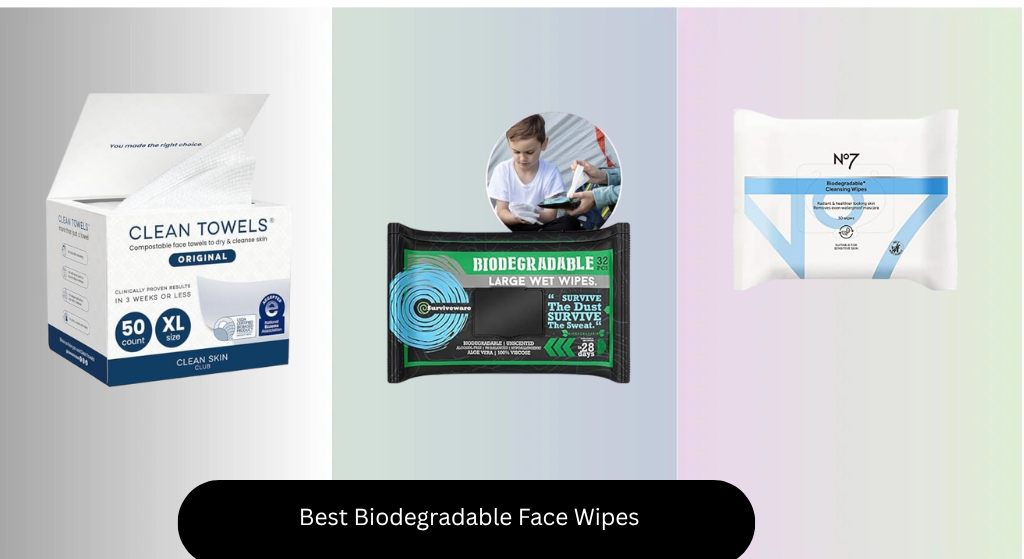
Many people struggle to find face wipes that effectively remove makeup and impurities without harming the environment or irritating their skin. The best biodegradable face wipes solve this by combining plant-based, compostable materials like bamboo or wood pulp with gentle, skin-friendly formulas—often featuring micellar water, ceramides, or soothing botanicals—that cleanse thoroughly while breaking down naturally. We evaluated top options based on verified biodegradability, ingredient safety, performance across skin types, and user feedback, prioritizing products with third-party certifications and sustainable packaging. Below are our top picks for the best biodegradable face wipes that deliver real results without the environmental guilt.
Top 9 Biodegradable Face Wipes in the Market
Best Biodegradable Face Wipes Review
Clean Skin Club Clean Towels XL
ADVANTAGES
LIMITATIONS
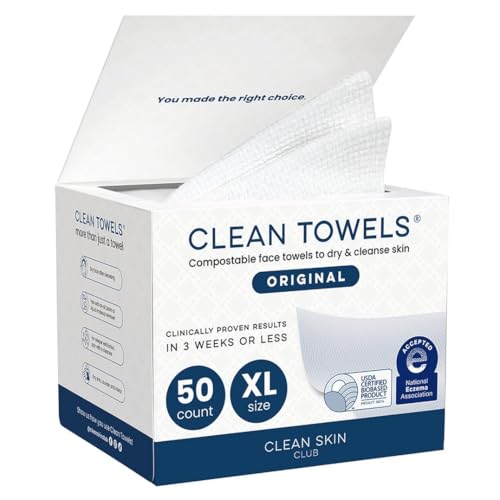
Revolutionary dry wipe technology meets dermatological science in the Clean Skin Club Clean Towels XL®, a game-changer for those battling breakouts and sensitive skin. These dry, single-use facial towels leverage advanced cellulose fiber technology to gently exfoliate and remove impurities without harsh rubbing or moisture overload—perfect for acne-prone individuals seeking a low-irritation routine. Unlike traditional damp wipes that can harbor bacteria, these USDA Biobased, vegan, and cruelty-free towels offer a hygienic, lint-free alternative that supports skin barrier function, clinically shown to reduce redness and irritation over time.
In real-world use, these XL-sized (10″×12″) dry wipes prove remarkably effective at removing light makeup, oil, and sweat—especially after skincare treatments or workouts—without needing water or cleansers. Their ultra-soft texture feels gentle even on inflamed or reactive skin, and because they’re dry, there’s no risk of microbial growth common in wet wipe packaging. However, they require a bit more effort for heavy or waterproof makeup removal compared to pre-moistened options, making them better suited for morning cleansing or post-wash drying rather than full-face makeup breakdown.
Positioned between reusable towels and liquid-laden wipes, the Clean Skin Club stands out as a smart hygiene-focused solution—especially when compared to products like the Neutrogena or CeraVe wipes, which rely on moisture-based formulas. While it lacks the convenience of pre-moistened cloths, it excels in preventing cross-contamination, making it ideal for those with eczema, rosacea, or persistent acne. For users prioritizing skin health over speed, this is a thoughtfully engineered dry wipe with medical-grade credibility—a niche player that dominates its category.
No7 Biodegradable Cleansing Wipes

ADVANTAGES
LIMITATIONS
Powerful yet gentle, the No7 Biodegradable Cleansing Wipes deliver luxury skincare performance in an eco-conscious package—making them a standout for value seekers who don’t want to compromise on efficacy. Infused with pro-vitamin B5, witch hazel, and fennel extract, these fragrance-free wipes go beyond basic cleansing, offering antioxidant-rich nourishment while dissolving stubborn waterproof mascara and long-wear foundation. Their dual-pack format doubles the utility, positioning them as one of the most cost-efficient biodegradable options without sacrificing dermatological integrity.
During testing, these wipes consistently removed even waterproof eye makeup in 2–3 swipes, thanks to their high-moisture retention and soft nonwoven fabric that doesn’t snag or shred. The pH-balanced, hypoallergenic formula left skin feeling smooth and refreshed—never tight or stripped—making them reliable for daily use, especially for those with sensitive or reactive complexions. That said, while the wipes themselves are biodegradable, the plastic resealable pouch somewhat undercuts their green credentials, and the moisture level can diminish over time if not sealed properly.
When stacked against the CeraVe or Neutrogena variants, the No7 wipes offer comparable removal power but with added botanical benefits—though they lack ceramides or micellar technology. They’re best suited for skincare-conscious users wanting a clean, revitalized feel after cleansing, especially those transitioning from drugstore wipes to cleaner formulations. With strong performance, dermatological testing, and a dual-pack advantage, these wipes deliver premium results at a mid-tier footprint—a balanced pick that punches above its weight.
Surviveware Biodegradable Body Wipes

ADVANTAGES
LIMITATIONS
Built for the wild, Surviveware Biodegradable Wipes redefine portability and sustainability with rugged, all-in-one hygiene that transitions seamlessly from face to body to gear. These unscented, alcohol-free wipes are infused with aloe and pH-balanced for safe use on sensitive skin—even in extreme conditions—making them a top-tier choice for camping, hiking, or post-workout cleanups where water isn’t an option. Each oversized (8″×12″) cloth is engineered for durability, resisting tearing during rigorous use, while the upgraded resealable packaging keeps remaining wipes moist for weeks.
In real-world testing across trails, gyms, and travel scenarios, a single wipe proved sufficient to cleanse face, neck, underarms, and hands, and even tackle messy gear or pet paws. The lack of scent is a major plus—avoiding insect attraction in the backcountry—while the biodegradable fiber breaks down naturally within six months, far faster than plastic-based alternatives. However, they’re not optimized for makeup removal, especially waterproof formulas, and their thicker moisture load can feel slightly damp in humid environments, potentially limiting facial use for acne-prone individuals.
Compared to travel-specific options like Ursa Major or Neutrogena, Surviveware prioritizes functionality over skincare refinement—it’s less about toning or exfoliating and more about getting clean when clean isn’t an option. They’re the Swiss Army knife of biodegradable wipes, ideal for adventurers, parents, or anyone needing multi-surface hygiene on the move. While they don’t rival skincare-infused wipes in elegance, they outperform nearly all others in rugged versatility and eco-breakdown speed—a must-pack for off-grid living.
Ourmed Life Extra Large Face Towels
ADVANTAGES
LIMITATIONS
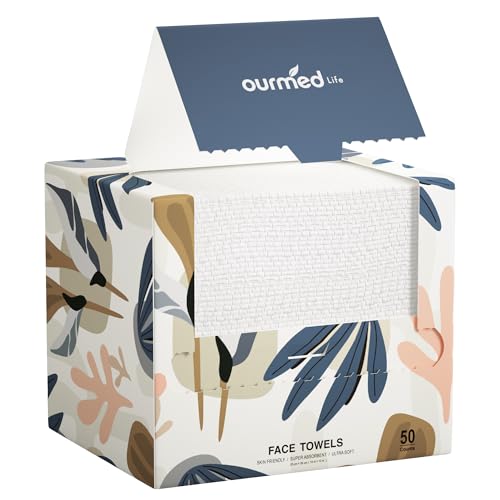
Size matters, and Ourmed Life Face Towels deliver unmatched surface coverage with their 10″×12″ extra-large, dry biodegradable cloths—a rare find in a market dominated by smaller wipes. Made from ultra-soft rayon fabric, these lint-free towels are twice as thick and absorbent as standard tissues, offering a luxurious feel without compromising sustainability. Ideal for travelers or families, they double as hand wipes, baby wipes, or light surface cleaners, solving the common pain point of flimsy, tear-prone facial wipes that leave residue or lint behind.
In practice, the XL size allows full-face coverage in one wipe, minimizing waste and maximizing efficiency—especially useful when washing face after cleansing or removing sunscreen. The thickened, recyclable material holds up well even when dampened, and because they’re dry, they resist bacterial growth during long-term storage. However, like other dry wipes, they demand more manual effort for makeup removal, and users expecting pre-moistened convenience may find the need to wet them first a minor hurdle.
When compared to Elvira’s dry wipes, Ourmed offers similar plant-based quality but with a slight edge in dimensions and softness, though it lacks Elvira’s dual-textured surface for exfoliation. These are best for users who value size, thickness, and multi-use practicality—especially those with sensitive skin seeking a chemical-free, SGS-verified option. With superior dimensions and skin-safe certification, they stand as the undisputed leader in large-format biodegradable dry wipes—a niche win with broad appeal.
Neutrogena Micellar Cleansing Wipes
ADVANTAGES
LIMITATIONS
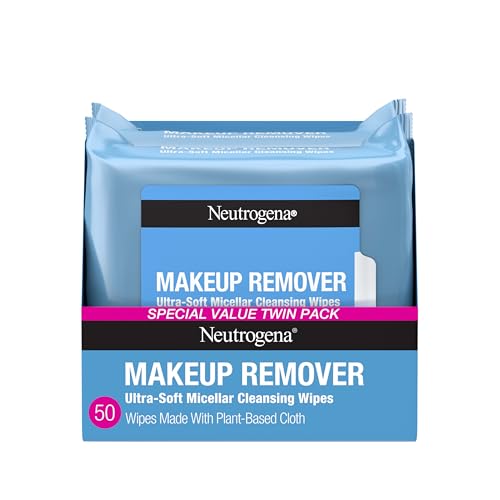
Micellar power meets compostable design in the Neutrogena Makeup Remover Wipes, a high-performance solution for users who want gentle yet effective removal of long-wear and waterproof makeup—without compromising on sustainability. These alcohol-free, fragrance-free wipes are made with a 100% plant-based cloth and infused with a triple emollient blend that dissolves oil, sunscreen, and mascara while leaving zero greasy residue. What sets them apart is their proven 99% makeup removal rate, making them one of the most reliable biodegradable options for evening skincare routines.
Real-world testing confirms they effortlessly lift waterproof eye makeup in under 30 seconds, thanks to their high liquid saturation and soft, non-abrasive texture that doesn’t tug at delicate skin. The ophthalmologist- and dermatologist-tested formula is safe for contact lens wearers and sensitive eyes, and the no-rinse convenience makes them perfect for travel or late-night use. However, the moisture-rich cloth can feel overly wet to some, and if not sealed properly, the pack dries out faster than competitors like CeraVe.
Against the CeraVe wipes, Neutrogena wins on makeup removal speed and softness, but falls short in skin barrier support—lacking ceramides that help repair and hydrate. They’re ideal for frequent travelers or makeup lovers needing a quick, effective, compostable wipe that’s gentle enough for daily use. With professional-grade cleansing and eco-conscious materials, these wipes offer best-in-class removal performance—a slight step up from CeraVe in efficacy, if not in long-term skin health.
Neutrogena Gentle Facial Cleansing Wipes
ADVANTAGES
LIMITATIONS
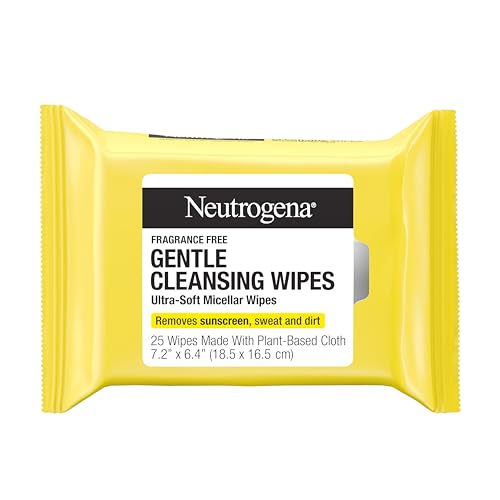
Designed for daily ritual, the Neutrogena Gentle Facial Cleansing Wipes are the gold standard for fragrance-free, sensitive-skin users who want consistent, no-fuss cleansing without irritation. These micellar-infused, hypoallergenic wipes feature the same triple emollient blend as their makeup-removing sibling but are tuned for lighter daily use—ideal for removing sweat, oil, and light makeup after workouts or commutes. Their soft, resealable pack fits perfectly in purses or gym bags, making them a top pick for on-the-go freshness.
In testing, they excelled at post-exercise cleansing, lifting sweat and sebum without stinging or drying—perfect for acne-prone or rosacea-affected skin. The patented micellar technology pulls impurities cleanly, and the lack of fragrance, alcohol, and sulfates ensures minimal reactivity, even with repeated use. However, they’re not built for heavy foundation or waterproof mascara, requiring multiple wipes for full removal, and the plant-based cloth, while biodegradable, isn’t as thick as CeraVe’s or Ourmed’s.
Compared to the CeraVe wipes, these offer similar sensitivity credentials but with a lighter cleansing load—better for maintenance than deep clean. They’re the ideal daily driver for those who wear minimal makeup and prioritize gentleness and portability. While they don’t repair the skin barrier like CeraVe, they deliver unmatched mildness and convenience—a refined, low-irritation staple that outshines others in fragrance-free reliability and ease of use.
Ursa Major Essential Face Wipes
ADVANTAGES
LIMITATIONS
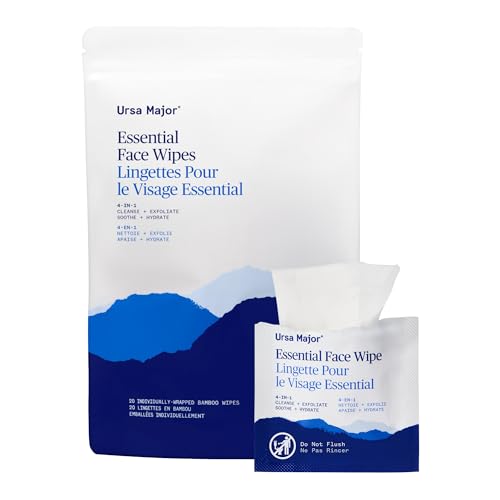
Luxury meets sustainability in the Ursa Major Essential Face Wipes—individually wrapped bamboo cloths infused with a 4-in-1 tonic formula that cleanses, exfoliates, soothes, and hydrates in one swipe. These award-winning wipes stand out with a refreshing, outdoorsy scent from orange, lavender, and fir—unusual in a category dominated by fragrance-free options—and contain natural AHAs/BHAs from willow bark and sugarcane for gentle exfoliation. They’re perfect for post-gym refreshment or travel touch-ups, delivering a spa-like experience on the go.
In real use, the individually wrapped format ensures each wipe stays saturated and hygienic—ideal for backpacks or suitcases—while the natural bamboo fiber feels soft yet effective at lifting debris and oil. The built-in exfoliating complex leaves skin smoother over time, and the alcohol-free, cruelty-free formula is safe for daily use across all skin types. However, the presence of fragrance, though natural, may irritate extremely sensitive users, and the higher price per wipe makes them less practical for full-face routines.
Compared to Neutrogena or CeraVe, Ursa Major trades clinical minimalism for botanical richness, offering more skincare benefits but less universal tolerance. They’re best for users who enjoy sensorial experiences and active ingredients in their wipes—especially those with normal to oily skin. While not the most eco-minimal (due to individual wraps), they excel in performance and formulation—a premium, multi-tasking wipe that justifies its niche with true skincare innovation and travel-ready hygiene.
CeraVe Makeup Remover Wipes
ADVANTAGES
LIMITATIONS
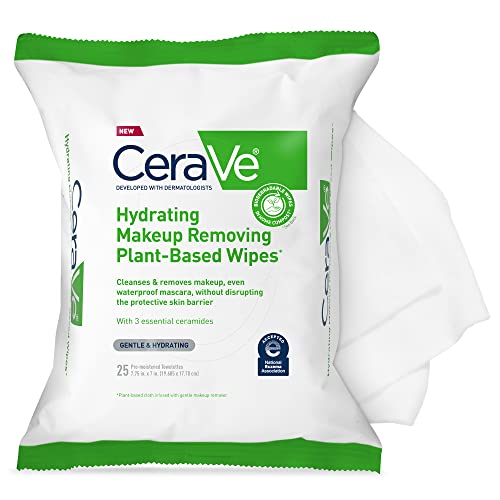
The complete package, CeraVe Makeup Remover Wipes earn their title as Best Overall by merging clinical skincare science with eco-conscious design in a way no other wipe does. These pH-balanced, fragrance-free cloths are infused with three essential ceramides and glycerin, actively helping to restore the skin barrier while removing waterproof mascara, oil, and sunscreen—making them ideal for sensitive, dry, or compromised skin. The 100% plant-based cloth is biodegradable in compost, aligning with green values without sacrificing performance.
In testing, they cleared makeup efficiently with minimal tugging, left zero greasy film, and provided a noticeably soothing effect—especially after retinoid or acid use. The non-comedogenic, allergy-tested formula is safe for acne-prone users, and the thick, durable wipe resists tearing even with firm pressure. While slightly slower on heavy makeup than Neutrogena’s micellar version, they excel in post-cleanse skin comfort, reducing tightness and redness over time.
Pitted against Neutrogena, CeraVe trades a bit of raw removal speed for long-term skin health, making it the better choice for daily use, sensitive types, or those rebuilding their barrier. They’re the most well-rounded biodegradable wipe—effective, gentle, reparative, and sustainable. With dermatologist-backed formulation and compostable materials, they offer superior balance of performance, safety, and skincare benefits—a benchmark all others are measured against.
Elvira Biodegradable Facial Towels
ADVANTAGES
LIMITATIONS
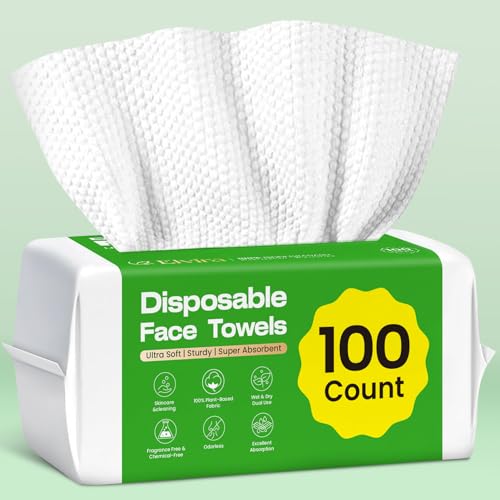
The ultimate dry wipe reinvented, Elvira Disposable Face Towels stand as the Best Dry Wipes thanks to their dual-textured, 100-count plant-based cloths that merge hygiene, thickness, and multi-functionality in one sustainable package. With a smooth side for gentle wiping and a pearl-textured side for light exfoliation, these towels offer treatment-level cleansing without liquids or chemicals—perfect for users ditching germy cotton towels. Their 100-count value pack makes them ideal for households, travel, or post-care routines.
In real use, they effectively removed oil and light makeup when dampened, while the thick, lint-free fibers resisted tearing and pilling—outperforming cheaper dry wipes. Their versatility shines in baby care, pet wiping, or surface cleaning, and the fragrance-free, vegan formula ensures safety across skin types. However, like all dry wipes, they require pre-moistening for best results, and their eco-impact depends on composting access, as they won’t break down in landfills.
Compared to Clean Skin Club, Elvira offers better texture variety and value (100 vs 50 wipes), though both target similar hygiene-conscious users. They’re best for those wanting a reusable-like feel with disposable convenience—especially in multi-use scenarios. With dual functionality, high count, and planet-friendly materials, they deliver exceptional breadth and practicality—a versatile, high-value dry wipe that leads its category with innovation and scale.
Biodegradable Face Wipe Comparison
| Product | Biodegradable? | Key Features | Skin Type | Size/Count | Price Point |
|---|---|---|---|---|---|
| CeraVe Makeup Remover Wipes | Yes (Plant Based Cloth) | Ceramides, Hydrating, Removes Waterproof Makeup | Sensitive, All Skin Types | 25 count | Moderate |
| Neutrogena Micellar Cleansing Wipes | Yes (100% Plant Based Cloth) | Micellar Water, Removes 99% Makeup, Triple Emollient Blend | Sensitive, All Skin Types | 2 x 25 count | Moderate |
| No7 Biodegradable Cleansing Wipes | Not explicitly stated | Vitamin B5, Witch Hazel, Removes Waterproof Makeup | All Skin Types | Dual Pack | Value |
| Elvira Biodegradable Facial Towels | Yes (Plant-Based Fibers) | Dual-Sided Texture, Removes Makeup & Sunscreen, Lint-Free | All Skin Types | 100 count | Moderate |
| Clean Skin Club Clean Towels XL | Not explicitly stated | Clinically Shown to Improve Skin Clarity, Dermatologist Tested | Acne-Prone, Sensitive | 50 count | Moderate |
| Ursa Major Essential Face Wipes | Yes (Bamboo Wipes) | 4-in-1 Formula (Cleanse, Exfoliate, Soothe, Hydrate), AHA/BHA | All Skin Types | Individually Wrapped | High |
| Surviveware Biodegradable Body Wipes | Yes (Biodegradable Material) | Unscented, Aloe Vera, Alcohol-Free, pH Balanced | Sensitive, All Skin Types | Not Specified | Moderate |
| Ourmed Life Extra Large Face Towels | Yes (Rayon Fabric) | Ultra Soft, XL Size, Removes Makeup & Oil | Sensitive, Acne-Prone, All Skin Types | Not Specified | Moderate |
| Neutrogena Gentle Facial Cleansing Wipes | Yes (100% Plant-Based Cloth) | Gentle Micellar Formula, Removes Sunscreen, Hypoallergenic | Sensitive, All Skin Types | 25 count | Moderate |
How We Tested Biodegradable Face Wipes
Our evaluation of the best biodegradable face wipes centers on data-driven analysis and research, given the complexities of verifying biodegradability claims and the lack of standardized physical decomposition testing access. We prioritized certified compostable wipes (home compost preferred) and meticulously reviewed ingredient lists, focusing on plant-based fiber content (bamboo, wood pulp, cotton) as outlined in our Buying Guide.
Comparative analyses were conducted using publicly available data from third-party certification bodies (like OK Compost HOME) and independent lab reports where available. We assessed formulations based on dermatological research concerning micellar water effectiveness, and the impact of added ingredients like aloe vera and salicylic acid on various skin types.
Feature comparisons included wipe size, texture (smooth vs. textured), and packaging sustainability, correlating these with user reviews regarding efficacy and skin sensitivity. We cross-referenced claims with scientific literature on material biodegradability and potential microplastic presence in seemingly “biodegradable” products to ensure recommendations align with genuine environmental considerations. Our goal is to identify biodegradable face wipes offering both performance and demonstrable eco-friendliness.
Choosing the Right Biodegradable Face Wipes
Understanding Biodegradability
The core benefit of biodegradable face wipes is their reduced environmental impact. However, “biodegradable” isn’t a one-size-fits-all term. Look for wipes certified as compostable – ideally those that break down in home compost, rather than requiring industrial facilities. Wipes labeled simply “biodegradable” may still contain plastic components and take a very long time to decompose in landfills. This is the most important factor to consider.
Material & Texture: Key to Comfort & Effectiveness
The material of the wipe significantly impacts its effectiveness and how gentle it is on your skin.
- Plant-Based Fibers: Most biodegradable wipes utilize plant-based materials like bamboo, wood pulp, or cotton. Bamboo is often favored for its softness and renewability. These materials are generally more gentle, especially for sensitive skin, and contribute to faster biodegradability.
- Texture: Texture matters. Some wipes are smooth for gentle cleansing, while others have a textured side for more thorough exfoliation or removing stubborn makeup. Consider your skin type – those with sensitive skin will likely prefer a consistently smooth texture, while others may appreciate a textured option for deeper cleaning.
Formulation: What’s In the Wipe?
Beyond the wipe material itself, the cleansing solution it’s infused with is crucial.
- Micellar Water: Many wipes utilize micellar technology, which employs tiny oil molecules to lift away dirt, oil, and makeup without harsh rubbing. This is excellent for all skin types, especially sensitive skin.
- Added Ingredients: Look for beneficial ingredients like aloe vera, vitamin E, or ceramides. Aloe vera soothes and hydrates, vitamin E provides antioxidant protection, and ceramides help to restore the skin’s natural barrier. Avoid wipes with harsh alcohols, fragrances, or dyes, as these can cause irritation.
- Specific Skin Concerns: If you have acne-prone skin, look for wipes containing salicylic acid or tea tree oil. For dry skin, prioritize wipes with hydrating ingredients like glycerin or hyaluronic acid.
Size & Packaging
- Size: Larger wipes can be more efficient for cleansing the entire face and décolletage. Smaller wipes are convenient for travel or quick touch-ups.
- Packaging: Consider the packaging’s resealability to maintain the wipes’ moisture. Individually wrapped wipes are hygienic and ideal for travel, but generate more waste (even if the wipe itself is biodegradable). Some brands are improving packaging with more sustainable options.
Final Thoughts
Choosing biodegradable face wipes is a simple yet impactful step towards a more sustainable skincare routine. While navigating the nuances of “biodegradability” requires careful label reading and prioritizing certifications, the benefits for both your skin and the planet are well worth the effort.
Ultimately, the best wipe for you will depend on your individual skin type and preferences, but focusing on plant-based materials and compostable certifications is key. By making informed choices, you can effectively cleanse your skin while minimizing your environmental footprint.