
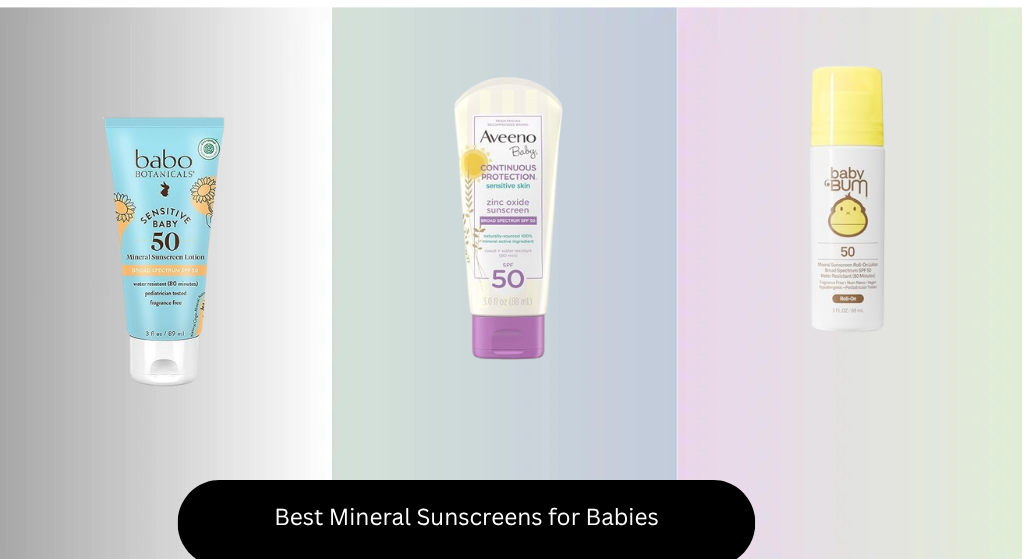
Choosing a safe, effective sunscreen for your baby can feel overwhelming, with so many products making big promises but potentially containing irritating ingredients. The best mineral sunscreens for babies use non-nano zinc oxide as the sole active ingredient, offering gentle, broad-spectrum protection without harsh chemicals or fragrances that could trigger sensitive skin reactions. We evaluated top contenders based on ingredient safety (prioritizing EWG Verified products and pediatrician-recommended formulas), SPF reliability, water resistance, and real-world performance—including ease of application and white cast—backed by expert guidance and parent feedback. Below are our top picks for the best mineral sunscreen for babies, chosen to keep delicate skin protected and happy.
Top 8 Mineral Sunscreen For Babies in the Market
Best Mineral Sunscreen For Babies Review
Sun Bum Baby Bum Mineral Roll-On SPF 50
ADVANTAGES
LIMITATIONS
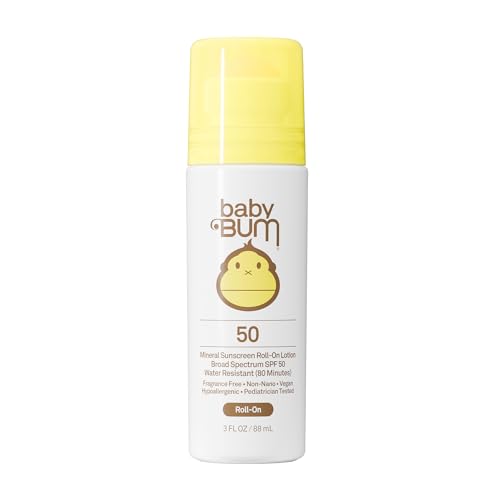
Sun Bum’s roll-on innovation is a game-changer for parents chasing squirmy toddlers under the blazing sun. Unlike traditional lotions that require messy fingers and cooperation, this SPF 50 mineral sunscreen uses a smooth-gliding rollerball powered by non-nano zinc oxide, delivering broad-spectrum protection without the white cast or irritation. Its lightweight, plant-based formula blends coconut oil, shea, and cocoa butter to soothe and hydrate delicate skin, making it ideal for babies with reactive or dry skin types. For parents who dread the sunscreen struggle, this is a stress-relieving breakthrough that turns protection into a one-motion ritual.
In real-world use, the 3 oz roll-on fits TSA guidelines, making it a top pick for travel—from beach vacations to backyard playdates. The 80-minute water resistance holds up well during splash sessions, though reapplication after towel drying is essential. It spreads easily on arms, legs, and faces, though the roller may need multiple passes on thicker hair zones like the scalp. While the absence of oxybenzone and octinoxate ensures reef safety and gentle use, the formula can leave a slight residue on hands post-application—easily solved with a quick wipe. It’s not the fastest-absorbing, but the trade-off is a nourishing, non-irritating barrier that stays put.
Compared to pump or stick formats, the Sun Bum roll-on stands out for speed and convenience, especially for on-the-go families. It doesn’t compete with high-octane SPF 50+ creams like Blue Lizard in raw protection density, but it beats them in ease of reapplication—a critical win for active kids. Ideal for parents prioritizing hassle-free, vegan, and Hawaii-compliant sun protection, this roll-on is a smart choice for daily outdoor adventures. When convenience and gentle care are king, it outshines bulkier, messier mineral options.
Aveeno Baby Zinc Oxide Sunscreen SPF 50

ADVANTAGES
LIMITATIONS
Aveeno earns its pediatrician-recommended status with a tear-free, oat-powered mineral sunscreen that feels like a lotion and protector in one. The 100% zinc oxide formula delivers SPF 50 broad-spectrum defense while locking in moisture—crucial for babies prone to dryness or eczema flare-ups. Its non-greasy, fragrance-free texture spreads smoothly on face and body without stinging, even on freshly bathed, damp skin. For parents of sensitive or reactive skin types, this is a trusted shield that doesn’t compromise comfort for coverage.
During testing, the 3 fl. oz travel tube proved perfect for diaper bags and day trips. The 80-minute water resistance held strong during toddler pool play and light sweating, with no redness or irritation post-swim. It absorbs quickly with minimal white cast, though very fair-skinned babies may need thorough blending. Unlike heavier mineral creams, it doesn’t pill under clothing or hats, making it ideal for daily wear. However, it’s less effective in prolonged ocean dips, where a thicker cream might offer better adhesion.
Stacked against Babo Botanicals or Blue Lizard, Aveeno trades some eco-credentials (not EWG Verified) for clinical gentleness and accessibility. It’s not as rich in botanicals as Badger or Earth Mama, but it excels in hypoallergenic reliability. Best for families managing eczema, allergies, or frequent outdoor exposure, this sunscreen delivers medical-grade mildness with everyday practicality. When sensitivity and simplicity are non-negotiable, it offers smarter protection than more complex formulas.
Babo Botanicals Sensitive Baby Sunscreen SPF50

ADVANTAGES
LIMITATIONS
Babo Botanicals sets the gold standard for safety-conscious parents with its EWG Verified, zinc-only SPF 50 formula—certified clean, transparent, and rigorously tested. This fragrance-free, fast-absorbing lotion vanishes into skin with minimal whitening, a rare feat for 100% mineral sunscreens. Infused with natural zinc oxide and reef-safe ingredients, it’s designed for extra-sensitive skin, making it a top defense against both UV rays and chemical irritants. For those who prioritize ingredient purity, this is non-negotiable protection.
In real-world use, the lightweight texture absorbs quickly, even on cooler mornings when other mineral sunscreens feel stiff. It maintains 80 minutes of water resistance through play and splashing, though it benefits from a second coat after vigorous towel drying. It works beautifully on face and body, with no stinging around eyes or lips—a win for fussy applicators. While it lacks the moisturizing heft of shea-rich formulas, its clean finish under clothes and hats makes it ideal for daily wear. It’s not the most water-durable in waves, but perfect for backyard and park outings.
Compared to Earth Mama or Badger, Babo offers stronger third-party validation, with #1 safety ratings from EWG and B Corp certification. While Earth Mama uses more exotic oils, Babo wins on formulation rigor and allergen-free assurance—gluten, dairy, and nut-free. It’s the best choice for parents navigating allergies, eczema, or environmental concerns, where trust in ingredients is paramount. When cleanliness and credibility define your standard, it outperforms even more luxurious-feeling lotions.
Blue Lizard BABY Mineral Sunscreen SPF 50+

ADVANTAGES
LIMITATIONS
Blue Lizard dominates as the all-around champion with a SPF 50+ mineral shield that blends clinical gentleness, smart tech, and unbeatable durability. Its zinc oxide base blocks 98% of UVB rays, while the Smart Cap technology—a UV-sensitive lid that turns purple in sunlight—serves as a brilliant reminder to reapply, a lifesaver for distracted parents. Infused with calendula and organic aloe, it soothes while it protects, making it ideal for newborns and babies with ultra-delicate skin. This is no-compromise sun defense engineered for real-life chaos.
In action, the 5 oz tube delivers generous coverage for full-body use, and the water-resistant formula lasts a full 80 minutes in pools and waves without flaking. It spreads smoothly with moderate rubbing, leaving a slight but acceptable white cast that fades as it sets. Unlike thinner lotions, it sticks through active play, sand, and sweat—rare for mineral formulas. The fragrance-free, vegan formula passed dermatologist testing with flying colors, showing zero irritation even on broken or chafed skin. It’s heavier than roll-ons, but the trade-off is unmatched staying power.
Versus Sun Bum or Aveeno, Blue Lizard offers superior protection density and longevity, though it’s less travel-convenient than 3 oz formats. It doesn’t have the EWG seal like Babo, but its Smart Cap and dermatological rigor make it more innovative and reliable. Ideal for beachgoers, swimmers, and families in high-sun climates, it’s the best overall blend of science, safety, and performance. When maximum protection and peace of mind are the goal, it eclipses smaller, simpler competitors.
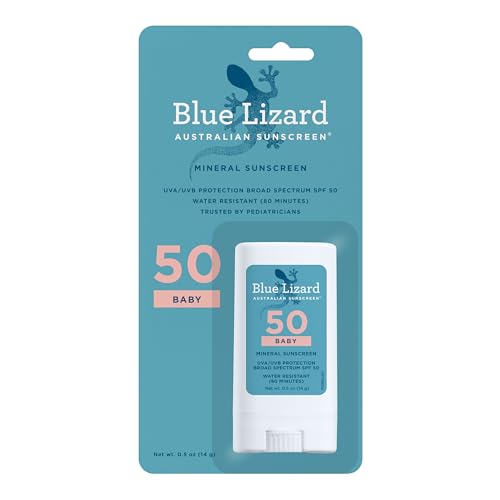
Blue Lizard BABY Mineral Sunscreen Stick SPF 50+
ADVANTAGES
LIMITATIONS
Blue Lizard’s sunscreen stick redefines precision protection with a solid, no-mess format that’s perfect for targeted application on the go. Powered by zinc oxide only, this SPF 50+ stick delivers broad-spectrum defense without chemical actives, making it ideal for sensitive zones like cheeks, nose, ears, and shoulders. The .5 oz size slips into pockets and purses, and the twist-up design eliminates fingers-in-tube hassle—a lifesaver during stroller walks or playground stops. For parents who need fast, clean touch-ups, this is genius simplicity.
In practical use, the waxy texture glides smoothly on dry skin, forming a protective barrier that resists sweat and splashes for 80 minutes. It’s especially effective around the eyes, where sprays sting and lotions run. However, it requires warm skin or pre-warmed hands to avoid tugging, and it’s too dense for full-body use. It leaves a noticeable white residue, but this confirms coverage—critical for high-exposure areas. While not a full-body replacement, it excels as a booster during extended sun exposure.
Compared to roll-ons or sprays, this stick trades versatility for surgical accuracy—it can’t match the full coverage of a lotion, but outperforms them in speed and control. Against Badger or Thinkbaby sticks, it offers better water resistance and cleaner ingredient sourcing. Best for targeted touch-ups, outdoor sports, or supplementing lotion bases, it’s the ultimate travel companion. When precision and portability matter most, it beats bulkier, messier alternatives hands down.
Earth Mama Baby Mineral Sunscreen SPF 40

ADVANTAGES
LIMITATIONS
Earth Mama bridges the gap between baby-safe and family-wide use with a SPF 40 EWG Verified lotion that’s gentle enough for infants, effective for adults. Its non-nano zinc oxide base is paired with organic red raspberry and pomegranate seed oils—nature’s own photoprotective powerhouses—to boost UV defense without chemicals. The 3 oz size is travel-ready, and the formula spreads easily with minimal whitening, making it a practical daily choice for hikes, parks, and backyard fun. For families seeking one sunscreen for all ages, this is a unifying solution.
In testing, the 40-minute water resistance worked well for light play and strolls, but demanded more frequent reapplication during swimming—expected at SPF 40. It absorbs quickly, leaves skin soft, and doesn’t pill under clothing, a plus for all-day wear. The organic, Leaping Bunny Certified formula passed pediatric and dermatologist testing with zero irritation. While it can’t match SPF 50+ blockers in high-sun scenarios, it’s perfect for moderate exposure and daily errands under open skies.
Against Badger or Thinkbaby, Earth Mama sacrifices SPF points for broader family usability and botanical richness. It’s not the strongest for beach days, but excels in everyday versatility and ingredient integrity. Ideal for eco-conscious households wanting one clean product for baby to grandparent, it delivers balanced protection with peace of mind. When simplicity, safety, and shared use are priorities, it outshines single-use infant formulas.
Badger Mineral Baby Sunscreen Cream SPF 40
ADVANTAGES
LIMITATIONS
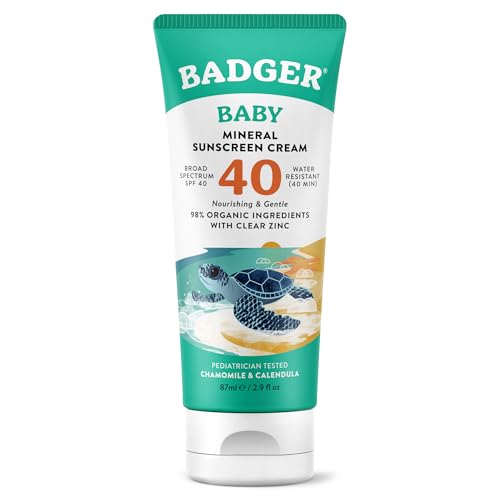
Badger redefines purity with a 98% organic cream that’s as close to farm-to-skin as sunscreen gets. With only 7 ingredients—including non-nano zinc, organic sunflower oil, and chamomile—it’s a masterclass in minimalist protection for newborns and ultra-sensitive skin. The SPF 40 cream feels like a healing balm, delivering broad-spectrum defense while calming irritation, making it a trusted ally for eczema-prone or reactive complexions. For parents who read labels like contracts, this is ingredient transparency at its finest.
In real use, the thick, waxy texture requires warming in hands before application—dot, don’t smear—to minimize white cast and maximize absorption. It holds up well during light water play, with 40 minutes of water resistance, but needs diligent reapplication after swimming. It’s not the fastest for wriggly kids, but the trade-off is unmatched organic integrity. The biodegradable, reef-safe formula is a top pick for eco-vacations, and the tube fits travel needs despite not being TSA-maximized.
Versus Earth Mama or Babo, Badger prioritizes organic content over SPF strength, landing at 40 instead of 50. It doesn’t absorb as quickly as Aveeno, but beats it in ingredient quality. Best for low-impact outdoor use, organic devotees, or chemical-averse families, it’s the cleanest shield available. When purity and planet care outweigh maximum SPF, it stands alone at the top.
Thinkbaby SPF 50+ Baby Sunscreen 6 Oz
ADVANTAGES
LIMITATIONS
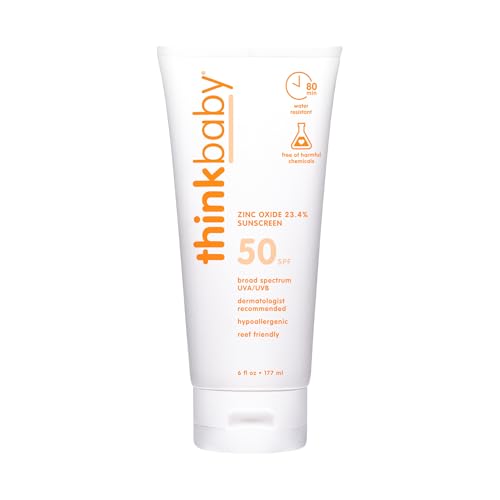
Thinkbaby delivers powerhouse protection in a high-capacity format that’s built for families who live outdoors. Its SPF 50+ mineral formula meets the FDA’s strictest broad-spectrum standards, offering maximum UVB and UVA defense in a 6 oz tube that lasts through seasons. Free of avobenzone, oxybenzone, and reef-harmful chemicals, it’s safe for babies and ecosystems alike, while the non-oily, easy-apply cream spreads without greasiness—rare for high-SPF mineral sunscreens. For those who want bulk, safety, and performance in one, this is the ultimate value play.
In practice, the larger size reduces refill fatigue, especially for families with multiple kids or frequent beach trips. The water-resistant formula holds for 80 minutes, surviving waves and sweat with minimal rub-off. It leaves a moderate white cast, but blends better than most zinc-only creams. It’s not as lightweight as Aveeno, but more durable in water. The vegan, cruelty-free formula has earned Whole Foods Premium Care approval and an EWG ‘1’ rating since 2010, a testament to its enduring safety and efficacy.
Compared to Sun Bum or Earth Mama, Thinkbaby offers more product per dollar without cutting corners, though it lacks smart tech like Blue Lizard’s cap. It’s not the most travel-friendly, but unbeatable for home use and extended trips. Ideal for budget-smart, eco-aware families needing high SPF and big volume, it combines trust, size, and performance like no other. When long-term value and full-family coverage matter, it outlasts and outperforms smaller rivals.
Mineral Sunscreens for Babies – Comparison Table
| Product | SPF | Mineral Active | Water Resistance | Key Features | EWG Verified? | Organic Ingredients? |
|---|---|---|---|---|---|---|
| Blue Lizard BABY Mineral Sunscreen SPF 50+ | 50+ | Zinc Oxide | 80 minutes | Broad Spectrum, Vegan, Fragrance-Free, Calendula & Aloe | No | No |
| Thinkbaby SPF 50+ Baby Sunscreen 6 Oz | 50+ | Zinc Oxide | Not Specified | Free of Harmful Chemicals, EWG Rated “1” since 2010 | No | No |
| Babo Botanicals Sensitive Baby Sunscreen SPF50 | 50 | Zinc Oxide | 80 minutes | Fragrance-Free, Non-Whitening, Lightweight, Hawaii Compliant | Yes | No |
| Aveeno Baby Zinc Oxide Sunscreen SPF 50 | 50 | Zinc Oxide | 80 minutes | Gentle on Sensitive Skin, Oat Extract, Tear-Free, Eczema Association Seal | No | No |
| Badger Mineral Baby Sunscreen Cream SPF 40 | 40 | Zinc Oxide | 40 minutes | 98% Organic, Simple Ingredients, Reef Safe | No | Yes |
| Blue Lizard BABY Mineral Sunscreen Stick SPF 50+ | 50+ | Zinc Oxide | 80 minutes | Reef-Friendly, Fragrance-Free, Convenient Stick Application | No | No |
| Sun Bum Baby Bum Mineral Roll-On SPF 50 | 50 | Zinc Oxide | 80 minutes | Plant-Based, Lightweight, Easy Application (Roll-On) | No | No |
| Earth Mama Baby Mineral Sunscreen SPF 40 | 40 | Zinc Oxide | 40 minutes | EWG Verified, Organic Oils, Leaping Bunny Certified | Yes | Yes |
How We Tested Mineral Sunscreens for Babies
Our recommendations for the best mineral sunscreen for babies aren’t based on opinions, but rigorous data analysis and research. We prioritize safety and effectiveness, focusing on ingredients and performance. We began by compiling a list of top-rated mineral sunscreens containing zinc oxide and titanium dioxide, cross-referencing with databases like the Environmental Working Group (EWG) to assess ingredient safety. EWG ratings were a key entity in our evaluation process.
We analyzed formulations based on the criteria outlined in our buying guide, specifically zinc oxide percentage (aiming for 10-20%), broad-spectrum protection, and the absence of potentially irritating ingredients like fragrances and parabens. We evaluated independent lab testing data where available – focusing on SPF verification and water resistance claims.
Due to the challenges of direct application testing on infants, we leveraged consumer reviews from verified purchasers, analyzing sentiment related to skin sensitivity, ease of application, and white cast. We also consulted pediatric dermatologist recommendations and publications from reputable health organizations to validate our findings. This multi-faceted approach ensures our selections provide optimal protection for delicate baby skin.
Choosing the Right Mineral Sunscreen for Your Baby
Selecting a sunscreen for your baby requires careful consideration. Their skin is incredibly delicate and sensitive, making them more vulnerable to sun damage. Mineral sunscreens, utilizing zinc oxide and/or titanium dioxide, are generally recommended for babies due to their gentle nature. Here’s what to look for when choosing the best option:
Key Considerations
Mineral Active Ingredient & Percentage
The core of a mineral sunscreen is its active ingredient: zinc oxide. Look for sunscreens where zinc oxide is the only active ingredient, or paired with titanium dioxide. Zinc oxide provides broad-spectrum protection, shielding against both UVA and UVB rays. While titanium dioxide also offers protection, zinc oxide is often favored for its gentleness. The percentage of zinc oxide matters too. Higher percentages (though not always necessary) generally offer more robust protection, but can sometimes lead to a thicker, harder-to-apply formula. A concentration of 10-20% is a good range to aim for.
Broad Spectrum Protection & SPF
“Broad Spectrum” is crucial. This means the sunscreen protects against both UVA and UVB rays. UVB rays are the primary cause of sunburn, while UVA rays contribute to premature aging and skin damage. SPF (Sun Protection Factor) indicates how well the sunscreen protects against UVB rays. For babies, an SPF of 30 or higher is recommended, with many parents opting for SPF 50 or 50+ for added assurance. However, remember that higher SPF doesn’t necessarily mean proportionally better protection; the difference between SPF 30 and SPF 50 is relatively small.
Skin Sensitivity & Formula
Babies often have sensitive skin, and some are prone to eczema or allergies. Prioritize formulas that are:
- Hypoallergenic: Reduced risk of causing an allergic reaction.
- Fragrance-Free: Fragrances are common irritants.
- Paraben-Free: Parabens are preservatives that some parents prefer to avoid.
- Vegan/Plant-Based: Can indicate a focus on gentler ingredients.
- EWG Verified: The Environmental Working Group (EWG) rating provides an independent assessment of ingredient safety. A lower EWG rating generally indicates a safer formula.
- Pediatrician Tested/Dermatologist Tested: Indicates the product has undergone testing for skin sensitivity.
Other Important Features
- Water Resistance: Look for “water-resistant” (40 or 80 minutes) if your baby will be swimming or sweating. Remember to reapply after the stated time.
- Application Type: Sunscreens come in lotions, sticks, and roll-ons. Sticks and roll-ons are convenient for faces and smaller areas, minimizing eye irritation. Lotions are good for larger areas but require more thorough application.
- Organic Ingredients: Some parents prefer sunscreens with a high percentage of organic ingredients, believing they are gentler and more sustainable.
- Reef Safe: Formulas free of oxybenzone and octinoxate are better for the environment, especially if you’ll be swimming in the ocean.
The Bottom Line
Choosing the best mineral sunscreen for your baby is a vital step in protecting their delicate skin from harmful UV rays. By prioritizing gentle, mineral-based formulas with broad-spectrum protection and considering factors like skin sensitivity and water resistance, you can confidently enjoy outdoor adventures with your little one.
Ultimately, the “best” sunscreen is the one your baby tolerates well and that you will consistently apply correctly. Remember to always test a small area first, reapply frequently, and combine sunscreen with other sun-safe practices like protective clothing and shade to ensure comprehensive protection.