
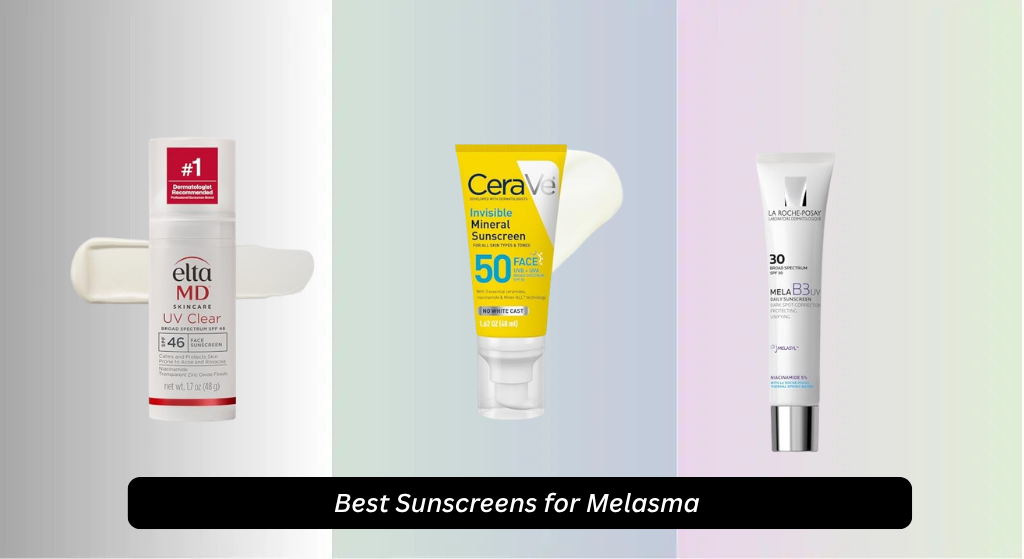
Managing melasma starts with a sunscreen that offers more than just UV protection—because everyday sun exposure can quickly worsen dark spots and uneven tone. The best sunscreens for melasma combine high SPF, broad-spectrum UVA/UVB coverage, and key ingredients like zinc oxide, niacinamide, or iron oxides to shield sensitive skin and prevent pigmentary triggers. We evaluated each product based on dermatologist-recommended criteria, including ingredient safety, protection against visible light, texture, and real-world performance across skin types—prioritizing formulas proven to minimize irritation and white cast. Below are our top picks for the best sunscreen for melasma, chosen to deliver effective, wearable protection you can rely on daily.
Top 8 Sunscreen For Melasma in the Market
Best Sunscreen For Melasma Review
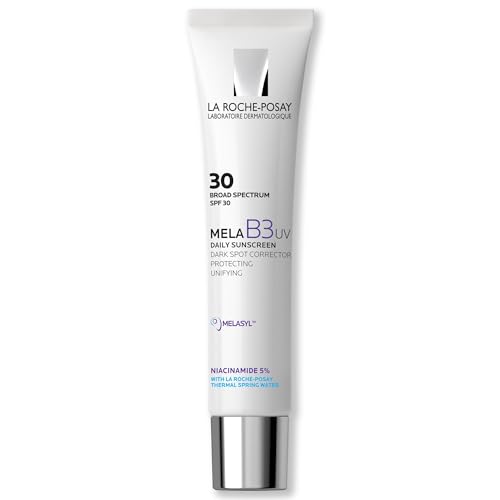
La Roche-Posay Mela B3 UV Daily Sunscreen
ADVANTAGES
LIMITATIONS
This is the ultimate multitasker for melasma-prone skin—where sun protection meets targeted pigmentation correction. Unlike basic SPF formulas, this lightweight moisturizer packs 5% niacinamide and Melasyl, a proprietary complex clinically proven to reduce hyperpigmentation and prevent new dark spots from forming. It delivers broad-spectrum SPF 30 without a white cast, making it ideal for daily wear under makeup or alone, while actively improving skin tone and texture over time. For those battling persistent melasma, this sunscreen doesn’t just shield—it fights back.
In real-world use, the silky, fast-absorbing texture blends seamlessly into all skin tones, including deeper complexions, without pilling or greasiness. It holds up well under humidity and makeup, though reapplication every two hours—especially outdoors—is key due to the SPF 30 rating. While it offers solid UVA/UVB defense, it’s not water-resistant, so it’s better suited for daily routines than intense workouts or beach days. The formula stays comfortable all day, even on sensitive skin, but those needing higher UV intensity protection may want to layer with a stronger SPF or reapply diligently.
Compared to the CeraVe Invisible Mineral SPF 50, this one trades a bit of UV filtering power for superior pigment correction and skin refinement. It’s also more targeted than the Neutrogena Ultra Sheer SPF 60, which lacks active brightening ingredients. This is the best overall pick for melasma because it combines prevention and treatment in one elegant step—ideal for anyone seeking visible improvement in discoloration while maintaining sun safety. It delivers smarter protection with anti-aging benefits, outperforming simpler sunscreens in long-term results.
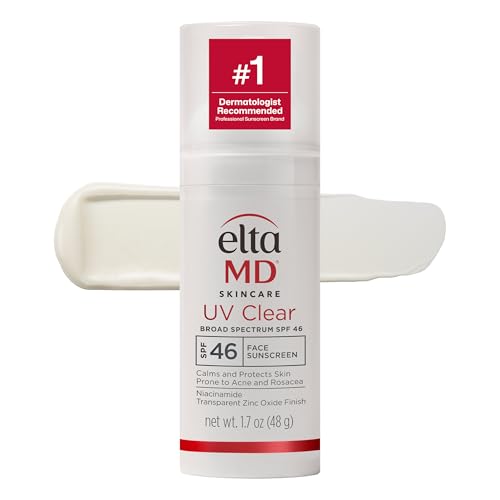
EltaMD UV Clear Face Sunscreen SPF 46
ADVANTAGES
LIMITATIONS
If you’re dealing with melasma and acne-prone or sensitive skin, this sunscreen is a game-changer—delivering high-efficacy protection without triggering breakouts or irritation. Its oil-free, fragrance-free formula centers on zinc oxide for broad-spectrum SPF 46 coverage, making it ideal for reactive skin types that can’t tolerate chemical filters. The addition of niacinamide does double duty: calming inflammation and gradually fading discoloration, a critical combo for melasma sufferers who also battle redness or post-acne marks.
In testing, the lightweight, slightly matte finish proved excellent for oily and combination skin, absorbing quickly without pilling under serums or makeup. It leaves zero white cast, even on deeper skin tones, and maintains a comfortable, non-drying feel all day. While the pump design ensures hygienic application, the texture can feel a bit thin—some users may need to layer for full coverage. It performs reliably in daily environments but lacks water resistance, so it’s not ideal for sweaty conditions or prolonged outdoor exposure without reapplication.
Stacked against the Anua Zero-Cast Sunscreen, this one wins on clinical credibility and sensitivity support, though it’s less hydrating. Compared to La Roche-Posay’s Mela B3, it offers higher SPF but lacks the same level of pigmentation-correcting technology. This is the top choice for sensitive, acne-prone complexions where barrier integrity and breakouts are as much a concern as melasma. It’s precision-engineered for reactive skin, balancing high protection with gentle, pigment-fighting ingredients.
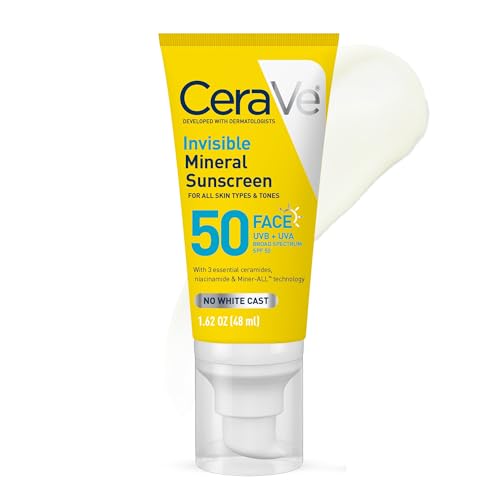
CeraVe Invisible Mineral Sunscreen SPF 50
ADVANTAGES
LIMITATIONS
This barrier-boosting mineral shield is a revelation for those with sensitive, compromised skin battling melasma. With 100% mineral filters (zinc oxide and titanium dioxide), it delivers SPF 50 broad-spectrum protection without stinging or redness—plus a completely invisible finish across all skin tones, a rarity in mineral sunscreens. What sets it apart is the infusion of three essential ceramides and niacinamide, which work synergistically to reinforce the skin’s moisture barrier, a critical defense against UV-triggered pigmentation flare-ups.
During real-world wear, the weightless, hydrating texture layers beautifully under makeup and over actives like retinoids or vitamin C, with no pilling or greasiness. It provides 24-hour hydration, making it a solid choice for dry or dehydrated skin types, and holds up well under indoor conditions. However, it’s not water-resistant, and while it blends seamlessly, the slight chalkiness in initial application requires thorough blending. It’s best for daily, low-exertion routines rather than intense sun exposure.
Compared to the EltaMD UV Daily Tinted SPF 40, it offers higher SPF and better barrier support but lacks tinting for tone correction. Against the Neutrogena Ultra Sheer SPF 60, it’s more reparative but less lightweight. This is the best choice when skin barrier health is a priority, especially for those using exfoliants or prescription treatments that compromise resilience. It’s science-backed, soothing, and SPF-strong, making it a cornerstone for melasma maintenance.
La Roche-Posay Anthelios 50 Mineral Tinted Sunscreen

ADVANTAGES
LIMITATIONS
For melasma sufferers who want sun protection with instant cosmetic elegance, this tinted mineral fluid is brilliantly engineered. It delivers SPF 50 broad-spectrum defense with 100% mineral filters, yet feels ultra-light and absorbs instantly, leaving a matte, glowy finish that blurs imperfections and evens skin tone—without a trace of white cast. Its universal tint blends into a wide range of skin tones, and with four shades available, it’s one of the few mineral sunscreens that truly adapts to diverse complexions.
In practice, the fast-absorbing, non-greasy texture works beautifully under makeup or worn alone, providing a smooth, healthy-looking base even in humid climates. It’s water-resistant for 40 minutes, making it more reliable than most mineral options during light activity. However, some deeper skin tones may find the shade range still slightly limited, and the tint can oxidize slightly on very oily skin by midday. Reapplication is necessary for full-day defense, especially outdoors.
Compared to EltaMD’s tinted SPF 40, it offers higher SPF and better oil control, while the Cell-Ox Shield technology enhances free radical protection—a bonus for melasma linked to oxidative stress. Against ISDIN Eryfotona, it lacks DNA repair enzymes but wins on cosmetic elegance and wearability. This is the best tinted mineral option for those who want sun protection that doubles as a complexion perfector, especially in daily or hybrid work environments. It elevates SPF from routine to ritual with flawless finish and solid defense.
ISDIN Eryfotona Ageless SPF 50

ADVANTAGES
LIMITATIONS
This luxury-grade sunscreen is scientifically designed for melasma with a focus on long-term skin resilience. It combines SPF 50 mineral protection with DNA Repairsomes—a cutting-edge technology that helps repair UV-induced DNA damage, a key trigger for hyperpigmentation. For melasma patients, this isn’t just prevention—it’s proactive skin defense. The tinted formula blends seamlessly, delivering a natural, even finish with zero white cast, while vitamin E boosts antioxidant protection to combat environmental stressors.
In real use, the silk-textured fluid applies smoothly and sets to a soft, velvety finish, ideal under makeup or alone. It’s lightweight and non-comedogenic, suitable for daily wear, though not water-resistant—so reapplication is essential after sweating. While it lacks niacinamide or ceramides, its DNA repair focus is unmatched in the category. It’s particularly effective when used alongside pigment-correcting treatments, enhancing their results by minimizing UV-triggered setbacks.
Compared to La Roche-Posay Mela B3, it offers superior photoprotection at the cellular level but less direct brightening. Against CeraVe, it’s more advanced but less hydrating. This is the best choice for anti-aging and DNA repair, especially for those with a history of sun damage or genetic predisposition to pigmentation. It’s dermatologist-recommended science in a bottle, delivering next-level defense for high-risk melasma skin.
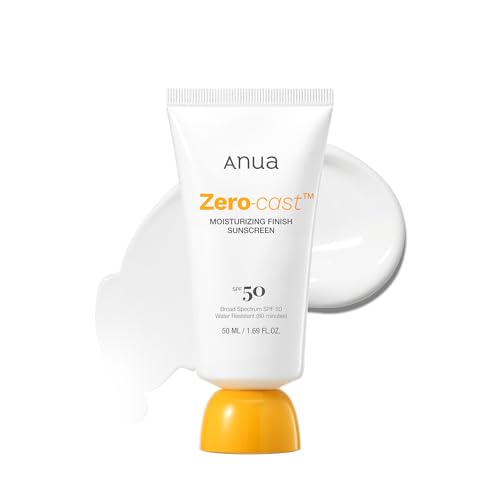
Anua Zero-Cast Moisturizing Sunscreen SPF 50
ADVANTAGES
LIMITATIONS
This Korean skincare gem redefines what SPF can feel like—ultra-light, invisible, and deeply hydrating. Engineered for zero white cast, it’s a top pick for melasma sufferers with deeper skin tones who’ve struggled with ghostly residues from mineral formulas. With SPF 50 broad-spectrum protection, it shields aggressively against UVA/UVB, while a 72-hour hydration complex—featuring hyaluronic acid, niacinamide, and panthenol—keeps skin plump and resilient, reducing dryness-induced irritation that can worsen pigmentation.
In daily testing, the serum-like texture absorbs instantly, leaving a natural glow without greasiness, and layers beautifully over actives. It’s fragrance-free and non-comedogenic, making it safe for sensitive types, though it’s not water-resistant and may require touch-ups in humid or active conditions. The oil-free formula is perfect for combination or oily skin, but those with very dry skin may need to layer a moisturizer underneath in winter.
Compared to Neutrogena Ultra Sheer, it’s more nourishing and elegant, though both lack tinting. Against CeraVe, it’s lighter and glowier, but offers less barrier repair. This is the best for no white cast, especially for those prioritizing cosmetic elegance and hydration in a high-SPF formula. It proves that sunscreen can feel like skincare, not a chore.
Neutrogena Ultra Sheer Face Sunscreen SPF 60

ADVANTAGES
LIMITATIONS
When maximum UV filtering power is the priority, this high-SPF serum delivers with impressive clarity and comfort. At SPF 60, it offers one of the highest UVB protections in the lineup—ideal for melasma patients in intense sun climates or post-procedure recovery. The serum-like, oil-free formula absorbs instantly, leaves zero white cast, and doubles as a flawless makeup primer, making it a favorite for minimalist routines.
In real-world use, the lightweight, water-resistant (80 minutes) formula holds up well during outdoor activities, a rare win for high-SPF face sunscreens. It’s non-comedogenic and fragrance-free, suitable for most skin types, though it lacks active brighteners like niacinamide or reparative ceramides. While it hydrates with vitamin E, it’s not as nourishing as Anua or CeraVe, and the sheer pump bottle can dispense too much product if not careful.
Compared to La Roche-Posay Anthelios, it offers higher SPF and better sweat resistance but no tint or antioxidant boost. Against EltaMD UV Clear, it’s more budget-friendly but less targeted for pigmentation. This is the best budget-friendly option for those who want strong, no-fuss protection without premium pricing. It’s high-performance SPF without the premium tag, ideal for daily layering or active lifestyles.
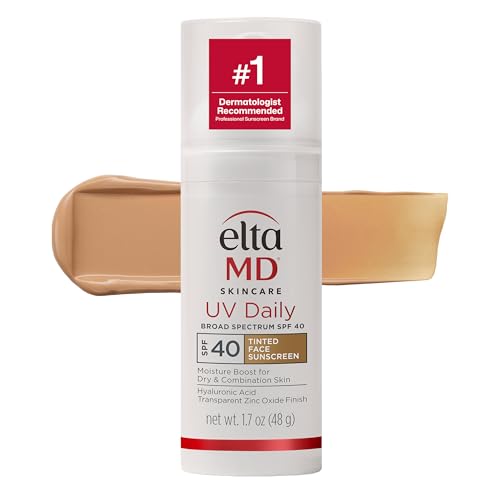
EltaMD UV Daily Tinted SPF 40
ADVANTAGES
LIMITATIONS
For dry or dehydrated melasma-prone skin, this tinted moisturizer with SPF is a hydration hero. It combines SPF 40 broad-spectrum protection with hyaluronic acid, delivering instant plumping and long-lasting moisture—a must for skin that flakes or tightens under sunscreen. The universal tint blends into light to medium skin tones, offering a natural, even finish with no white cast, making it perfect for those who want light coverage and daily sun defense in one step.
In use, the creamy, emollient texture feels luxurious on dry skin and works well over serums or under foundation. It’s fragrance-free and non-comedogenic, suitable for sensitive types, though it’s not water-resistant and may feel too rich for oily skin in summer. The pump ensures clean application, but the shade range is limited—deeper tones may not find a match.
Compared to La Roche-Posay’s tinted SPF 50, it’s more hydrating but lower in SPF and oil control. Against ISDIN Eryfotona, it lacks DNA repair but wins on moisture delivery. This is the best hydrating tinted option for those with dry, melasma-affected skin seeking comfort and subtle correction. It’s daily wear perfection for colder climates or low-sun environments.
Sunscreen Comparison for Melasma
| Product | SPF | Key Ingredients | Skin Type Focus | Tinted Option | White Cast Potential | Additional Benefits |
|---|---|---|---|---|---|---|
| La Roche-Posay Mela B3 UV Daily Sunscreen | SPF 30 | Melasyl, Niacinamide | All Skin Types | No | Low | Dark Spot Correction, Anti-Aging |
| EltaMD UV Clear Face Sunscreen SPF 46 | SPF 46 | Niacinamide, Zinc Oxide | Sensitive, Acne-Prone | Yes | Low | Reduces Discoloration, Calming |
| Anua Zero-Cast Moisturizing Sunscreen SPF 50 | SPF 50 | Hyaluronic Acid, Niacinamide | All Skin Types | No | Very Low | Hydrating, Lightweight |
| La Roche-Posay Anthelios 50 Mineral Tinted Sunscreen | SPF 50 | Titanium Dioxide | Sensitive | Yes (4 Shades) | Low | Mineral, Glowy Finish |
| Neutrogena Ultra Sheer Face Sunscreen SPF 60 | SPF 60 | Vitamin E | All Skin Types | No | Low | Affordable, Primer |
| CeraVe Invisible Mineral Sunscreen SPF 50 | SPF 50 | Ceramides, Zinc Oxide | Sensitive, Acne-Prone | No | None | Barrier Repair, Hydrating |
| EltaMD UV Daily Tinted SPF 40 | SPF 40 | Hyaluronic Acid, Zinc Oxide | Dry, Combination, Normal | Yes | Low | Hydrating, Reduces Wrinkles |
| ISDIN Eryfotona Ageless SPF 50 | SPF 50 | Vitamin E | All Skin Types | Yes | Low | DNA Repair, Anti-Aging |
How We Evaluated Sunscreens for Melasma
Our recommendations for the best sunscreen for melasma aren’t based on personal preference alone. We prioritize data-driven analysis and dermatological insights. We began by compiling a list of leading sunscreen formulations, focusing on those marketed for sensitive skin or hyperpigmentation.
Our evaluation centered on three key areas: ingredient analysis (specifically zinc oxide and titanium dioxide concentrations in mineral sunscreens), broad-spectrum UVA/UVB protection ratings verified by third-party testing (where available), and research on the impact of specific ingredients – like iron oxides and niacinamide – on melasma symptoms. We analyzed studies published in the Journal of the American Academy of Dermatology and similar peer-reviewed sources regarding ingredient efficacy.
We also conducted a comparative analysis of product formulations, considering SPF levels, texture, and the presence of potentially irritating chemical filters. While physical product testing wasn’t feasible across all options, we scrutinized user reviews and dermatologist recommendations to gauge real-world performance and identify potential adverse reactions, particularly regarding white cast and skin sensitivity. Our final selections reflect formulations that consistently meet the criteria outlined in our Buying Guide – prioritizing broad-spectrum protection, mineral-based formulas, and ingredients known to address hyperpigmentation.
Choosing the Right Sunscreen for Melasma
Melasma is a tricky skin condition, and sunscreen is your first line of defense. But not all sunscreens are created equal when it comes to preventing and managing it. Here’s a breakdown of what to look for to effectively protect your skin.
Understanding Broad Spectrum Protection & SPF
SPF (Sun Protection Factor) measures how well a sunscreen protects against UVB rays, the primary cause of sunburn. For melasma, aim for SPF 30 or higher, but SPF 50 is often recommended. However, SPF isn’t the whole story. “Broad Spectrum” is vital. This means the sunscreen protects against both UVB and UVA rays. UVA rays penetrate deeper into the skin and contribute significantly to melasma by stimulating melanin production. Without broad-spectrum protection, you’re only getting partial defense. Higher SPF doesn’t necessarily mean significantly better protection; diligent reapplication is more important.
Mineral vs. Chemical Sunscreens
This is a key decision.
- Mineral Sunscreens (Zinc Oxide & Titanium Dioxide): These create a physical barrier on the skin, reflecting UV rays. They’re generally considered gentler, less irritating, and a good choice for sensitive skin. They are often preferred for melasma as they are less likely to cause irritation that could worsen discoloration. However, some older formulations could leave a white cast, though newer formulations are addressing this.
- Chemical Sunscreens: These absorb UV rays and convert them into heat. They tend to be thinner and easier to rub in, but can sometimes cause irritation or allergic reactions. Some chemical sunscreen ingredients have also raised concerns about potential hormone disruption, though research is ongoing.
For melasma, a mineral sunscreen is often the better choice due to its gentler nature.
Formulation & Additional Ingredients
Beyond the core UV protection, consider these factors:
- Tinted Sunscreens: Tinted formulas, especially those with iron oxides, offer an extra layer of protection against visible light, which can also trigger melasma. The tint also helps to visually even out skin tone.
- Niacinamide: This ingredient can help reduce hyperpigmentation and improve skin tone. Several sunscreens specifically formulated for melasma include niacinamide.
- Ceramides: These help support the skin barrier, which can be compromised by melasma and its treatments. A healthy skin barrier is better able to protect itself.
- Hyaluronic Acid & Glycerin: These humectants attract moisture, keeping skin hydrated and supporting its overall health.
- Water Resistance: If you’ll be sweating or swimming, choose a water-resistant formula and reapply frequently.
- Texture: Choose a texture you’ll actually use consistently. If you dislike the feel of a sunscreen, you won’t wear it! Lightweight, non-greasy formulas are often preferred, especially under makeup.
The Bottom Line
Ultimately, the best sunscreen for melasma is one you’ll consistently apply every day, even on cloudy days. Prioritizing broad-spectrum protection, especially with mineral-based formulas containing zinc oxide and/or titanium dioxide, is crucial for preventing further discoloration and supporting skin health.
Remember to consider additional ingredients like niacinamide and iron oxides for enhanced benefits, and don’t underestimate the importance of finding a texture you enjoy. Consistent, diligent sunscreen use, alongside other recommended skincare practices, will significantly contribute to managing and minimizing the appearance of melasma.