
Many people struggle to find a facial sunscreen that protects their skin without causing breakouts, leaving a white cast, or feeling heavy under makeup. The best tinted sunscreens solve this by combining broad-spectrum SPF with skin-friendly formulas and natural-looking coverage, often featuring mineral filters like zinc oxide and tone-enhancing iron oxides. We evaluated each product based on SPF protection, ingredient safety, finish, skin type compatibility, and real-world performance—including wear time, blendability, and user reviews—to ensure our picks deliver both skincare and aesthetic benefits. Below are our top recommendations for the best tinted sunscreen for face, tailored to a variety of skin concerns and preferences.
Top 8 Tinted Sunscreen For Face in the Market
Best Tinted Sunscreen For Face Review
EltaMD UV AOX Tinted Mineral Sunscreen

ADVANTAGES
LIMITATIONS
This is sunscreen redefined—a mineral-powered multitasker that doesn’t just protect but actively enhances your skin. With SPF 50 broad-spectrum defense and 100% mineral actives, EltaMD UV AOX Elements delivers zero white cast, a rare win for tinted mineral formulas. The medium coverage blends like a dream, making it ideal for those who want a polished look without layering makeup—perfect for mornings when you need to look put-together in under five minutes. If you’ve ever struggled with dryness, redness, or mineral sunscreen that feels like chalk, this is the game-changer you’ve been waiting for.
In real-world use, it performs exceptionally on dry and sensitive skin, thanks to hyaluronic acid and ginger root extract that deliver lasting hydration and calm irritation. The 1.7 oz pump offers precise dosing, and the formula absorbs quickly without pilling—even under serums or light moisturizers. It holds up well during daily commutes and indoor screen exposure, but don’t expect it to survive intense workouts; it’s not water-resistant, so reapplication is key after sweating. On oily skin types, it leans slightly dewy, so pairing it with a mattifying setting powder may be necessary for shine control.
Compared to the DRMTLGY Matte version, this EltaMD formula prioritizes nourishment over oil control, making it a top pick for dry or reactive skin. It’s not trying to be a foundation or a workout warrior—it excels as a daily defense essential with skincare benefits. While pricier than drugstore options, its performance, texture, and skin-loving ingredients justify its Best Overall title, especially when stacked against CeraVe’s lower SPF alternative.
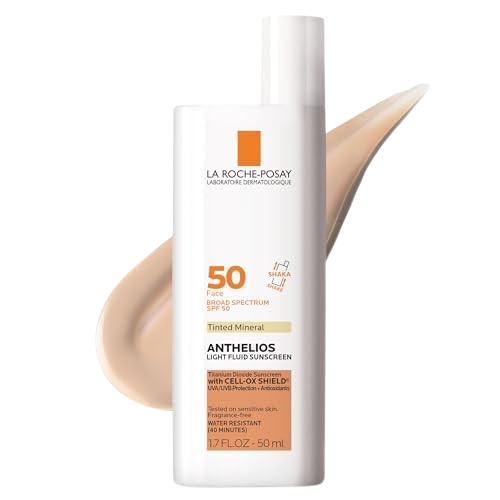
La Roche Posay Anthelios Tinted SPF 50

ADVANTAGES
LIMITATIONS
Light as air, gentle as a whisper—this is sensitive skin’s soulmate in a bottle. La Roche-Posay’s Anthelios Tinted Ultra Light Sunscreen packs SPF 50 mineral protection into an ultra-light fluid that vanishes into skin without irritation. The universal tint delivers a soft, matte glow—no chalkiness, no flashback—just a smooth, even base that works across a wide range of skin tones. If you’ve ever abandoned mineral sunscreen because it felt heavy or triggered redness, this one rewrites the rules with its fragrance-free, paraben-free, and non-comedogenic formula.
In testing, it proved ideal for daily indoor-outdoor transitions, absorbing instantly and layering beautifully under makeup or worn alone. The Cell-Ox Shield Technology adds a layer of defense against blue light and pollution, which is crucial for city dwellers or screen-heavy lifestyles. While it’s water-resistant for 40 minutes, it’s not ideal for intense sweat sessions—expect slight breakdown after prolonged moisture exposure. On deeper skin tones, the “Deep” shade blends better than the original tint, though some may still find the range slightly limited compared to Colorescience’s adaptive pigments.
When compared to EltaMD’s UV AOX, this La Roche-Posay option is lighter in texture but thinner in coverage, making it better for those who want sheer, breathable protection. It’s less hydrating, so dry skin types may need a moisturizer underneath. Still, its dermatologist-backed gentleness and Allure Best of Beauty recognition make it a standout. For sensitive skin, it offers better comfort than DRMTLGY while maintaining a more natural finish than many mineral contenders.
CeraVe Hydrating Mineral Sunscreen SPF 30

ADVANTAGES
LIMITATIONS
Don’t let the SPF 30 fool you—this is a budget-savvy powerhouse that punches above its weight in performance and skin benefits. CeraVe’s Sheer Tint Mineral Sunscreen delivers a natural healthy glow with a whisper of color that evens out skin tone without masking it. The zinc oxide and titanium dioxide formula is 100% mineral, yet it avoids the dreaded white cast thanks to iron oxides that adapt to skin tones. For those new to mineral sunscreens or managing acne-prone, sensitive, or dry skin, this is a gentle gateway that doubles as a tinted moisturizer and skincare hybrid.
In everyday use, it’s impressively non-greasy and lightweight, absorbing quickly and playing well with other products. The inclusion of niacinamide and hyaluronic acid means it hydrates while protecting—ideal for morning routines where fewer steps win. However, the lower SPF means it’s less suited for high-sun environments like beaches or mountain hikes. It’s not water-resistant, so reapplication is a must after sweating or swimming. On deeper skin tones, the available shades are serviceable but not perfect, falling short of Colorescience’s tone-adapting tech.
Compared to the EltaMD and La Roche-Posay options, this CeraVe pick trades high SPF and advanced antioxidants for affordability and accessibility. It’s not as glow-enhancing as DRMTLGY or as redness-correcting as EltaMD Green Tint, but it delivers core protection and barrier support without breaking the bank. For teens, first-time sunscreen users, or those building a minimalist routine, it offers unbeatable value—especially with FSA/HSA eligibility.
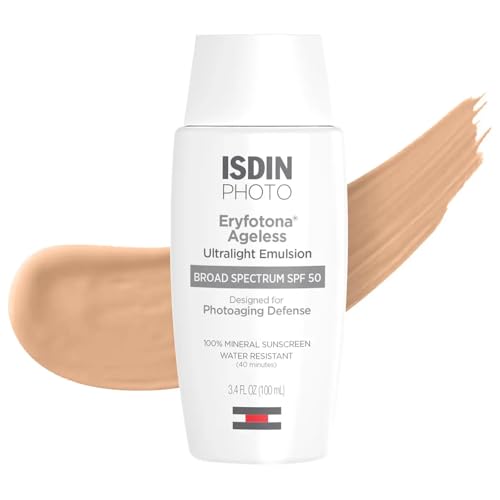
ISDIN Eryfotona Ageless SPF 50
ADVANTAGES
LIMITATIONS
This isn’t just sunscreen—it’s anti-aging armor in a sleek Spanish-engineered tube. ISDIN Eryfotona Ageless packs SPF 50 mineral protection with zinc oxide into a featherlight formula that leaves zero white cast and actively fights photoaging. The standout here is its vitamin E-enriched antioxidant shield, which boosts the skin’s natural defenses against UV and environmental damage—making it a stealth weapon for those serious about preventing wrinkles and dark spots. If you want a sunscreen that feels like a serum and performs like a luxury treatment, this is it.
In real-world wear, it’s non-greasy, fast-absorbing, and perfect under makeup or worn solo for a polished, even-toned look. The 3.4 fl oz size is generous for daily use, and the pump ensures hygiene and portion control. It’s not marketed as water-resistant, so it’s best for urban, low-sweat environments—think office commutes, errands, or indoor workdays. On oily skin, it holds up well, but dry types may need to layer a moisturizer underneath for extra comfort. It doesn’t offer color correction like the EltaMD Green Tint, nor adaptive tinting like Colorescience, but it excels in pure anti-aging functionality.
Stacked against DRMTLGY or CeraVe, ISDIN is more treatment-focused and less multitasking—it doesn’t hydrate as deeply or provide dewy glow, but it delivers clinical-level sun protection with a skincare mindset. Compared to EltaMD UV AOX, it lacks tint richness and hydration but wins in anti-aging depth and texture elegance. For mature skin or anyone prioritizing long-term skin health over coverage, this is the gold standard—a no-compromise shield against time and sun.
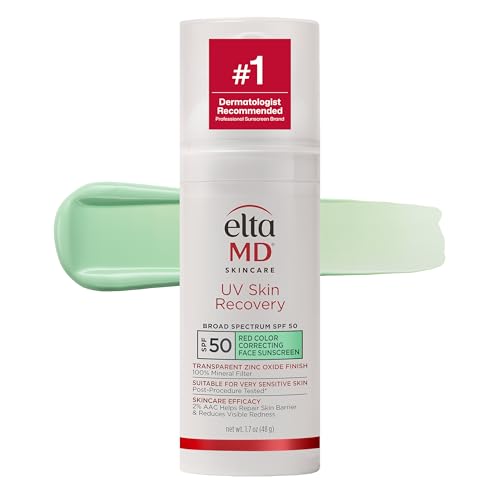
EltaMD UV Skin Recovery Green Tint
ADVANTAGES
LIMITATIONS
Finally, a sunscreen that fights redness while protecting skin—this green-tinted marvel is a lifesaver for rosacea, post-procedure skin, and chronic flushing. EltaMD’s UV Skin Recovery uses color-correcting technology to neutralize redness on contact, transforming into a natural skin tone as it blends. With SPF 50 mineral protection, it’s gentle enough for post-laser recovery yet durable enough for daily wear. The cica, ceramides, and AAComplex work behind the scenes to repair the skin barrier—making this more than just a sunscreen, but a calming treatment in disguise.
In testing, it absorbed quickly with zero greasiness or white residue, and the 1.7 oz travel-friendly pump made reapplication easy—even over bare or treated skin. It stayed put during moderate sun exposure but required touch-ups after heavy sweating. The green tint is highly effective on light to medium redness, though severe cases may need additional concealer. Unlike DRMTLGY or CeraVe, this isn’t about glow or coverage—it’s about correction and comfort. It’s also TSA-approved, so it’s perfect for post-facial trips or sensitive skin on the go.
Compared to La Roche-Posay’s tinted option, this EltaMD version is specifically engineered for redness, making it a niche standout. It lacks the shade range of Colorescience or the dewiness of DRMTLGY, but for those with rosacea, eczema, or post-inflammatory redness, it’s unmatched. When weighed against the regular EltaMD UV AOX, it trades universal appeal for targeted therapy, making it a specialist tool in any skincare arsenal.
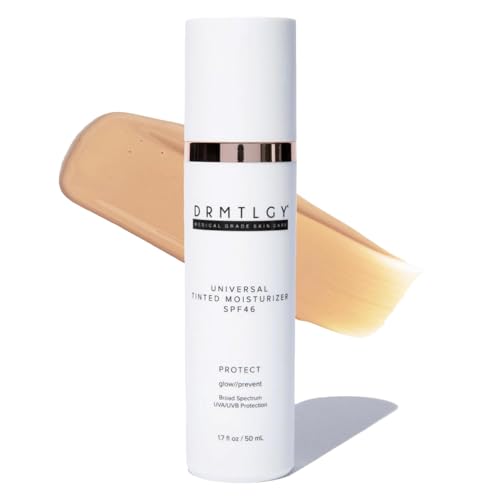
DRMTLGY Universal Tinted Moisturizer SPF 46
ADVANTAGES
LIMITATIONS
If your skin craves a sun-kissed glow without the sun damage, this DRMTLGY formula is your dewy-day dream come true. With a hybrid blend of zinc oxide and octinoxate, it delivers SPF 46 broad-spectrum protection while flooding skin with niacinamide and hyaluronic acid for brightness and bounce. The universal tint blends into most light to medium skin tones, leaving a radiant, lit-from-within finish that outshines matte competitors. For anyone tired of flat, chalky mineral sunscreens, this is a breath of fresh, glowing air.
In daily use, it’s fast-absorbing and breathable, working beautifully under makeup or alone for a “my skin but better” effect. The 1.7 oz size is travel-friendly, and the formula plays well with serums and moisturizers. However, the dewiness can amplify shine on oily skin by midday, so blotting may be needed. It’s not water-resistant, so it’s not ideal for humid climates or workouts. On deeper skin tones, the universal tint can lean ashy—making it less inclusive than Colorescience’s adaptive shades.
Compared to the matte DRMTLGY version, this one prioritizes glow over oil control, making it ideal for dry or normal skin. It’s more hydrating than CeraVe and more radiant than ISDIN, but less redness-correcting than EltaMD Green Tint. When stacked against La Roche-Posay, it offers better luminosity but less antioxidant defense. For those seeking a 2-in-1 skincare-makeup hybrid, it delivers exceptional value, especially with FSA/HSA eligibility.
Colorescience FLEX Tinted Mineral Sunscreen

ADVANTAGES
LIMITATIONS
This is inclusive sun protection reimagined—a tone-adapting, buildable tint that evolves as you blend, making it the most versatile mineral sunscreen for diverse skin tones. Colorescience FLEX uses iron oxide pigments that bloom on contact, shifting from white to skin-matching perfection across four flexible shades. With SPF 50 and PA++++, it offers elite UVA/UVB protection while defending against blue light, pollution, and infrared radiation—a full environmental shield in one step. If you’ve ever felt left out by “one-size-fits-all” tints, this is your game-changing solution.
In real-world testing, the 1.8 fl oz size lasts longer than most, and the demi-matte finish strikes a perfect balance—neither greasy nor flat. It’s water-resistant for 40 minutes, making it suitable for light sweat or outdoor errands. The 12% zinc oxide formula is 100% mineral but feels lightweight, with no pilling when layered. However, the initial white phase can be alarming if you rub too fast—patience is key to unlocking the color bloom. It doesn’t hydrate as deeply as CeraVe or DRMTLGY, so dry skin types may need prep.
Against EltaMD or DRMTLGY, Colorescience wins on inclusivity and environmental defense, though it costs more and lacks redness correction. Compared to La Roche-Posay, it offers superior shade adaptability and pollution protection. For melanin-rich skin, urban dwellers, or eco-conscious users, it’s the top-tier choice—a high-performance formula that truly works for all skin tones without compromise.
DRMTLGY Matte Tinted Moisturizer SPF 46

ADVANTAGES
LIMITATIONS
For oily and combination skin types, this is shine control mastered—a matte-finish sunscreen that doesn’t sacrifice hydration or protection. DRMTLGY’s Matte Universal Tinted Moisturizer delivers SPF 46 broad-spectrum defense with a sheer, soft-focus tint that blurs pores and evens tone without clogging. The niacinamide and sodium hyaluronate combo keeps skin balanced—moisturized but not slick—making it a holy grail for T-zone taming. If you’ve ever had sunscreen melt off by noon, this one stays put with quiet confidence.
In testing, it absorbed quickly and maintained a natural matte finish for 6–8 hours, even in humid conditions. The universal tint works best on light to medium skin tones, though deeper complexions may notice slight ashenness. It’s not water-resistant, so post-workout touch-ups are needed. Unlike the dewy DRMTLGY version, this one prioritizes oil control, making it ideal for office workers, acne-prone users, or anyone battling midday shine. It doesn’t offer redness correction like EltaMD Green Tint, nor adaptive color like Colorescience, but it excels in simplicity and function.
Compared to La Roche-Posay’s matte option, this DRMTLGY formula provides better pore-blurring and longer wear. It’s more mattifying than CeraVe and less dewy than the sister DRMTLGY dewy version. For oily skin seekers, it offers best-in-class finish and wear time, especially when paired with FSA/HSA eligibility. It’s not the most innovative, but it’s reliably effective—a no-fuss shield for shine-prone days.
Tinted Sunscreen for Face Comparison
| Product | SPF | Best For | Key Ingredients | Coverage | Finish | Skin Type | Water Resistance |
|---|---|---|---|---|---|---|---|
| EltaMD UV AOX Tinted Mineral Sunscreen | SPF 50 | Best Overall | Hyaluronic Acid, Bisabolol, Ginger Root Extract | Medium | Natural | Dry, Combination, Normal | Not Specified |
| Colorescience FLEX Tinted Mineral Sunscreen | SPF 50 PA ++++ | Best for All Skin Tones | Zinc Oxide 12%, Iron Oxides | Buildable | Demi-Matte | All | 40 minutes |
| La Roche Posay Anthelios Tinted SPF 50 | SPF 50 | Best for Sensitive Skin | Cell-Ox Shield Technology, Titanium Dioxide | Subtle | Matte, Glowy | Sensitive, All | 40 minutes |
| DRMTLGY Matte Tinted Moisturizer SPF 46 | SPF 46 | Best for Oily Skin | Niacinamide, Sodium Hyaluronate, Vitamin E | Sheer | Matte | Oily, Combination | Not Specified |
| CeraVe Hydrating Mineral Sunscreen SPF 30 | SPF 30 | Best Budget Friendly | Niacinamide, Hyaluronic Acid, Ceramides | Sheer Tinted | Natural Glow | All | Not Specified |
| EltaMD UV Skin Recovery Green Tint | SPF 50 | Best for Redness Correction | Cica, Ceramides, AAComplex | Tinted | Natural | Sensitive, Rosacea-Prone | Not Specified |
| DRMTLGY Universal Tinted Moisturizer SPF 46 | SPF 46 | Best Dewy Finish | Zinc Oxide, Octinoxate, Niacinamide, Hyaluronic Acid, Vitamin E | Lightweight | Dewy | All | Not Specified |
| ISDIN Eryfotona Ageless SPF 50 | SPF 50 | Best Anti-Aging | Vitamin E | Tinted | Not Specified | All | Not Specified |
How We Tested Tinted Sunscreens
Our recommendations for the best tinted sunscreen for face are based on a multi-faceted analysis prioritizing both dermatological efficacy and user experience. We began by compiling a list of highly-rated and popular tinted sunscreens, focusing on products with SPF 30 or higher and broad spectrum protection – a non-negotiable requirement backed by the American Academy of Dermatology.
Data analysis included scrutinizing ingredient lists to identify potentially irritating components and assess formulation types (mineral vs. chemical) based on skin type suitability, as outlined in our Buying Guide. We evaluated product claims against independent lab testing data where available (e.g., SPF verification) and user reviews from verified purchasers across multiple retail platforms.
Beyond feature comparison, we assessed shade ranges for inclusivity and considered the reported finish (matte, dewy, natural) based on skin type recommendations. Our research also incorporated analysis of customer feedback regarding white cast, texture, and wear-time, specifically related to common concerns like oiliness or sensitivity. Where possible, we cross-referenced expert opinions from dermatologists and skincare professionals to validate our findings and ensure alignment with current skincare best practices.
Choosing the Right Tinted Sunscreen for Your Face
Understanding Tinted Sunscreen Benefits
Tinted sunscreens offer the dual benefit of sun protection and a subtle improvement in skin tone. They’re a fantastic option for those seeking to simplify their routine or achieve a “no-makeup makeup” look. However, not all tinted sunscreens are created equal. Choosing the right one depends on your skin type, desired coverage, and specific concerns.
Key Features to Consider
SPF Level & Broad Spectrum Protection
This is the most important factor. Look for a sunscreen with an SPF of 30 or higher. Crucially, ensure it offers broad spectrum protection. Broad spectrum means the sunscreen protects against both UVA and UVB rays. UVB rays are the primary cause of sunburn, while UVA rays contribute to premature aging and can also cause skin cancer. Without broad spectrum protection, you’re not fully shielded from sun damage. Higher SPF isn’t always better; reapplication is key, regardless of the SPF number.
Tint & Coverage Level
Tinted sunscreens vary significantly in their tint and the amount of coverage they provide. Some offer a sheer wash of color, simply evening out skin tone, while others provide medium coverage that can minimize the appearance of blemishes and redness.
- Sheer tints are ideal for those who prefer a natural look and want a lightweight feel.
- Medium coverage options can replace foundation for a more polished appearance.
- Consider your skin tone and undertones when selecting a tint. Many brands offer a range of shades, but some are designed to be “universal” and adapt to different skin tones.
Skin Type & Formula
Your skin type plays a huge role in determining the best formula.
- Oily/Acne-prone skin: Look for oil-free, non-comedogenic (won’t clog pores) formulas, and consider a matte finish.
- Dry skin: Hydrating formulas with ingredients like hyaluronic acid or ceramides are ideal. Creamy textures will provide extra moisture.
- Sensitive skin: Opt for mineral sunscreens (zinc oxide and titanium dioxide) as they are less likely to cause irritation. Avoid fragrances, alcohol, and preservatives.
- Redness-prone skin: Sunscreens with green tints can help neutralize redness and create a more even complexion.
Mineral vs. Chemical Sunscreens
This is a fundamental difference.
- Mineral Sunscreens: Use zinc oxide and titanium dioxide to create a physical barrier that reflects UV rays. They are generally gentler on sensitive skin. Some mineral sunscreens can leave a white cast, but newer formulations are designed to minimize this.
- Chemical Sunscreens: Absorb UV rays and convert them into heat. They tend to be lighter in texture and absorb more easily into the skin.
Additional Features
- Water Resistance: Important if you’ll be sweating or swimming. Look for sunscreens labeled as water-resistant for 40 or 80 minutes.
- Antioxidants: Ingredients like vitamin C and vitamin E can provide extra protection against environmental damage.
- Texture: Consider whether you prefer a lightweight lotion, a creamy balm, or a gel-like consistency.
The Bottom Line
Ultimately, the best tinted sunscreen for your face is the one you’ll consistently wear. Considering your skin type, desired coverage, and individual concerns – like sensitivity or redness – will guide you towards a product that seamlessly integrates into your daily routine.
Prioritizing broad spectrum SPF 30 or higher is non-negotiable for healthy skin, and tinted sunscreens offer the added benefit of a more even complexion. With so many excellent options available, finding your perfect match has never been easier, ensuring both protection and a radiant glow.