




Why Is My Hair Falling Out? 12 Causes, Warning Signs and Proven Solutions
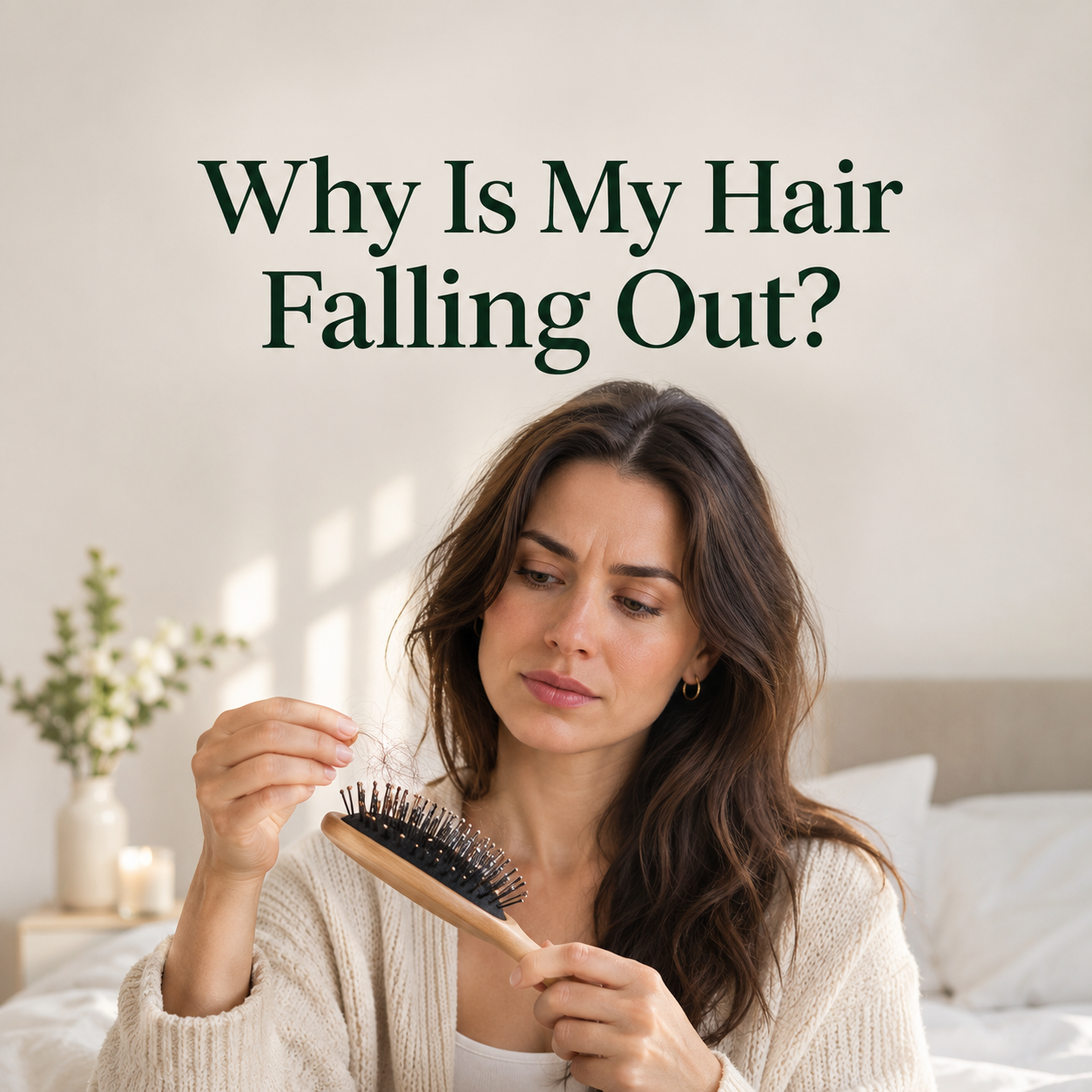
Spotting extra strands in the shower drain or on your pillow is unsettling. If you keep asking yourself, why is my hair falling out?, you are far from alone. Hair thinning affects millions of men and women at some point in life, and in most cases there is a clear, identifiable reason behind it.
The good news is that many causes are treatable, and some are completely temporary. This guide explains how much shedding is normal, the most common causes, the warning signs worth acting on, and the treatments and habits that genuinely help.
How Much Hair Loss Is Normal?
The average scalp holds roughly 100,000 hairs, and shedding 50 to 100 of them every day is part of a healthy cycle. You may notice more hair after brushing, washing, or when you have not washed for a few days, because loose hairs collect and then release all at once.
It becomes a concern when you notice any of the following:
- Clumps of hair coming out in the shower or on the brush
- A wider parting or a visibly thinner ponytail
- A receding hairline or thinning crown
- Round or patchy bald spots
- Hair breaking along the shaft instead of shedding from the root
Understanding the Hair Growth Cycle
Every hair follicle moves through a repeating cycle. Problems arise when something pushes too many follicles into the resting or shedding stage at the same time.
12 Common Reasons Your Hair Is Falling Out
1. Stress (Telogen Effluvium)
Major physical or emotional stress, such as surgery, a high fever, grief, or a crash diet, can push many follicles into the resting phase at once. Around two to three months later, you notice a sudden increase in shedding. It is usually temporary, and hair often recovers within six to nine months once the trigger passes.
2. Genetics (Androgenetic Alopecia)
Pattern hair loss is the most common cause worldwide. In men it appears as a receding hairline and crown thinning. In women it usually shows as a widening part with thinner hair on top. Follicles gradually shrink under the influence of hormones, producing finer and shorter hairs until growth stops.
3. Nutrient Deficiencies
Hair is metabolically active tissue, and it needs fuel. Low iron and ferritin, zinc, vitamin D, vitamin B12, and inadequate protein are all linked to increased shedding. Restrictive or vegan diets without proper planning are a frequent cause.
4. Thyroid Problems
Both an underactive and an overactive thyroid disrupt the hair cycle. Hair may feel dry, brittle, and thin all over. Tiredness, weight changes, and feeling unusually cold or hot often come with it. A simple blood test can confirm the diagnosis.
5. Hormonal Changes
Pregnancy, childbirth, stopping birth control, menopause, and conditions like polycystic ovary syndrome (PCOS) all shift hormone levels. Postpartum shedding is especially common and typically begins about three months after delivery.
6. Medications and Medical Treatments
Chemotherapy is the best-known cause, but some blood thinners, antidepressants, blood pressure drugs, acne medicines containing retinoids, and high-dose vitamin A can also trigger shedding. Never stop a prescribed medicine without speaking to your doctor first.
7. Alopecia Areata
This autoimmune condition makes the immune system attack hair follicles, leading to smooth, round bald patches. It can affect the scalp, beard, and eyebrows. Treatments are available, and regrowth is possible.
8. Scalp Conditions
Severe dandruff, seborrheic dermatitis, psoriasis, and fungal infections such as ringworm of the scalp inflame the skin and can weaken hair growth. Treating the scalp condition usually restores normal growth.
9. Tight Hairstyles and Heat Damage (Traction Alopecia)
Constant tension from tight braids, buns, extensions, or ponytails damages follicles over time. Frequent bleaching, coloring, and high-heat styling make strands brittle and prone to breakage.
10. Rapid Weight Loss and Crash Diets
Dropping weight quickly deprives the body of calories, protein, and micronutrients. Hair is considered non-essential, so the body diverts resources away from it. Shedding often appears two to three months after the diet begins.
11. Illness and Infection
Illnesses involving high fever, including severe flu or COVID-19, can trigger a wave of shedding weeks later. Recovery usually brings the hair back.
12. Hair Loss Disorders: Trichotillomania and Scarring Alopecia
Compulsive hair pulling (trichotillomania) and rarer scarring conditions such as lichen planopilaris destroy follicles. Early assessment by a dermatologist is important because scarring can be permanent.
Hair Loss Types at a Glance
| Type | What it looks like | Usually reversible? |
|---|---|---|
| Telogen effluvium | Diffuse shedding all over the scalp | Yes |
| Androgenetic alopecia | Receding hairline or thinning crown or part | Can be slowed, partly regrown |
| Alopecia areata | Smooth round bald patches | Often, with treatment |
| Traction alopecia | Thinning at hairline and temples | Yes, if caught early |
| Scarring alopecia | Shiny, smooth, sometimes painful patches | No, early treatment prevents spread |
Warning Signs: When to See a Doctor
A professional can run blood tests for iron, ferritin, thyroid function, vitamin D, and hormones, examine your scalp, and sometimes perform a gentle pull test or scalp dermoscopy to identify the exact cause.
Nutrients That Support Healthy Hair
Before spending money on products, check your diet. These nutrients play the biggest role in normal hair growth. Get blood levels checked before supplementing, because too much of some nutrients can actually cause hair loss.
Treatments That Actually Work
Treat the underlying cause first
Correcting an iron deficiency, treating thyroid disease, adjusting a medication, or managing a scalp condition often stops the shedding on its own.
Topical minoxidil
Minoxidil is an over-the-counter treatment available as a liquid or foam. It is approved for pattern hair loss in both men and women and works by prolonging the growth phase. Consistency matters: results usually take three to six months and stop if you quit.
Prescription options
Doctors may prescribe finasteride or dutasteride for men, spironolactone for some women, low-dose oral minoxidil, or corticosteroid treatments for alopecia areata. These need a medical assessment.
Low-level laser therapy and PRP
Home-use laser caps and combs, and clinic procedures such as platelet-rich plasma (PRP) injections, have supporting evidence for some people with pattern hair loss. They are typically used alongside other treatments rather than alone.
Supportive hair care products
Gentle sulfate-free shampoos, anti-dandruff shampoos with ingredients like ketoconazole or zinc pyrithione, scalp serums, and heat-protectant sprays will not cure genetic hair loss, but they keep the scalp healthy and reduce breakage. When shopping for supplements, look for third-party tested products and avoid mega-doses.
Hair transplant
For stable, advanced pattern hair loss, a transplant moves healthy follicles from the back of the scalp to thinning areas. Choose an experienced, accredited surgeon.
Daily Habits to Reduce Hair Fall
- Eat balanced meals with enough protein, iron, and healthy fats
- Avoid crash diets and rapid weight loss
- Wash your hair with lukewarm water and a gentle shampoo
- Use a wide-tooth comb on wet hair, which is more fragile
- Loosen tight ponytails, braids, and buns
- Limit heat styling and chemical treatments
- Manage stress with sleep, exercise, and relaxation techniques
- Do not smoke, as it is linked to faster hair thinning
- Massage the scalp gently for a few minutes a day to relax the area
Frequently Asked Questions
Is it normal to lose hair every day?
Yes. Losing 50 to 100 hairs daily is part of the normal cycle.
Will my hair grow back?
In temporary conditions such as stress, illness, or postpartum shedding, it usually does. For genetic hair loss, treatment can slow progression and encourage some regrowth, but it must be continued.
Can stress really make hair fall out?
Yes. Significant stress can trigger telogen effluvium, with shedding appearing two to three months afterward.
Does washing hair daily cause hair loss?
No. Washing removes hairs that were already shed. Harsh products and rough towel drying are the bigger risk.
How long before I see results from treatment?
Most treatments need three to six months of consistent use before you can judge them.
Final Thoughts
So, why is your hair falling out? The reason may be stress, hormones, nutrition, genetics, a medical condition, or simply how you style your hair. The key is to identify the cause early, because the sooner you act, the better your chances of keeping and regrowing hair. Start with a healthy diet and gentle hair care, get the right blood tests, and see a dermatologist if shedding lasts beyond a few months.
Medical disclaimer: This article is for general information only and does not replace professional medical advice, diagnosis, or treatment. Consult a qualified healthcare provider about your symptoms. This page may contain affiliate content; we may earn a commission on qualifying purchases at no extra cost to you.